Monday, May 23, 2016

A Better Way to Burn Bodyfat- High Intensity Interval Training

Slow and steady wins the race! Well, this may not be the case when it comes to burning fat.   The days of using long steady-state cardio with low to moderate intensity exercise performed at 60-70% of one’s maximum heart rate (MHR) may be a thing of the past.  High intensity interval training, or HIIT, is on the threshold of becoming the standard for steady and sustained fat loss.
Image result for hiitHIIT cardio involves intervals of high-intensity exercise at a rate of 90% MHR, followed by intervals of slow pace active recovery.  With HIIT, the workouts are shorter than the steady-state cardio, but they are more intense.  A 2001 study from East Tennessee State University found that subjects who followed an eight-week HIIT program dropped 2% of body fat over the course while the steady-state participants lost none.  Research also confirms that HIIT enhances the metabolic machinery in muscle cells that promote fat-burning and blunts fat production.  The HIIT subjects’ muscle fibers had significantly higher markers for fat oxidation (fat-burning) than those using steady-state exercise.1   A 1996 study from Baylor College of Medicine reported that subjects who performed a HIIT workout burned more calories during the 24 hours following the workout than those who cycled at a moderate, steady-state intensity due to the rise in resting metabolism.2
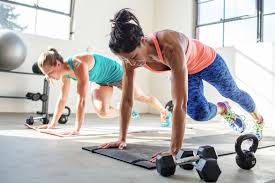
Image result for hiit
Here are some advantages of doing HIIT:
-increases your metabolic rate for up to 24 hours
-improves insulin sensitivity in the muscles, which helps absorb and use the food you eat
-increase your muscles’ ability to burn fat for energy
-elevates growth hormone levels
-shorter time to work out
-and decreases post-exercise appetite, which helps prevent overeating
Time is the number one excuse that people use for not working out. If you are looking for a better way to get rid of some unwanted body fat in the shortest amount of time possible, try high intensity interval training.    
References:
1Penna, J., MS, Stoppani, J., PhD, & Velazquez, E. (n.d.). Fit with HIIT: Science Is Dropping the Hammer On Endless Bouts of Steady-State Cardio. Retrieved May 15, 2016, from http://www.simplyshredded.com/fit-with-hiit-science-is-dropping-the-hammer-on-endless-bouts-of-steady-state-cardio.html
2Treuth, M.S., et al. Effects of exercise intensity on 24-h energy expenditure and substrate oxidation. Medicine & Science in Sports & Exercise 28(9);1,138-1-143. 1996.


Introduction to the Wolfe Workout Planner

Introduction to the Wolfe Workout Planner

You have done it! You have made the first step to changing your life and taking a step towards becoming an outlier among many. By reading the introduction to this planner you have made the commitment to become the best version of yourself. This is not any ordinary planner, this planner will keep you organized in your day-to-day life and it is the first planner that will provide you with a roadmap of a healthier lifestyle. It is the only planner that will promote your overall health, helping you burn fat, gain functional strength, and build the physique you have always wanted. This planner is for anyone looking to improve his or her health in an organized manner. It gives you a place where you can design your daily schedule and also includes workouts to help you to become a leaner, more athletic, healthier version of yourself. The workouts have been designed from the Optimum Performance Training (OPT) Model derived from the National Academy of Sports Medicine.1 This model will help promote your lean muscle mass, cutting the excess baggage and building strong athletic muscle on top.

To build the physique that you have always wanted we will be taking you through multiple phases. These phases will help you develop your figure while also improving your functional movement through the strengthening and loosening of muscles. Daily tasks such as lifting a heavy box, sitting at a desk, or walking to your car will become easier and less thought provoking. Your muscles will support your functional strength and help you to become the healthiest version of yourself.

We will develop this strength, physique, and overall health by going through workout phases in a particular order. The phases are Stabilization, Muscular Endurance, Hypertrophy, and Maximum Strength. Each of these phases will be explained later in this introduction to the planner which will providing you with understanding and purpose of each.1 The programming protocol (when each phase occurs and why we are switching between phases) will be addressed soon after. We will also provide you with some nutritional tips to help you use food as fuel and have a better understanding of how and when to feed your body. The workouts will be during the week to give you ample time to recover and enjoy your weekend. There’s no time to waste so let's dive into a further explanation of the planner starting with stabilization!


References:
1Clark, M., Lucett, S., Sutton, B. (2014). NASM Essentials of Personal Fitness Training.
Burlington, MA: Jones and Bartlett Learning.
2Verstegen, M., William, P. (2006). Core Performance Essentials. New York,  NY:
Rodale.

Nutrition Tips for Gamers


How many times have you sat down to play your favorite game and had a nice can of coke with some of your favorite snacks to help you push through a marathon session of gaming? Probably more than a few if I’m guessing. You know it, I know it, and gamers everywhere know it. Sometimes our nutritional needs aren’t really met when we have gaming on the brain. Here a few simple tips to help you keep up your nutritional standards, while allowing you to continue your online dominance.

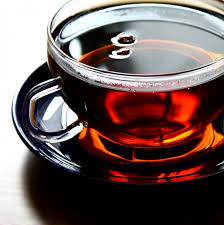
  1. tea.jpgSwap that carbonated beverage for some tea. I love a good Pepsi or Dr. Pepper. My teeth on the other hand, really don’t. If you are drinking cokes while playing, odds are you drink more than one in a gaming session. How do you know this John?!?! Are you a wizard?!?! No, I’m only a wizard on Smite. You are just trying to postpone the crash from your first coke with a second one. Why not trade that coke out for some tea? And no, I’m not talking about Liptons iced tea and loading it with sugar, though it’s a better choice than cokes. I personally like my tea hot, with some honey added to it for some sweetness. Teas range from white to black and all colors in between. If you're looking for an energy boost stay more towards the black side of the teas.1 By switching to tea you cut out the amount of sugar you intake, and increase the amount antioxidants and water you intake. Even with drinking teas however, you must make sure you drink water because the tea will still dehydrate you.

  1. Substitute  those snacks for some healthier options. My all time favorite snack while gaming has definitely got to be caramel filled chocolate chips. They are amazing! Are they good for me? No. There are many healthy alternatives to your sweet chocolates and salty chips. Try substituting in some nuts or some fruits. These options give you much needed vitamins and minerals and cut out the processed sugar or overabundance of salt from other snacks. One good alternative is to freeze grapes and eat them during a long session of gaming. They don’t fully freeze, they just get a nice creamy consistency. 2

grapes.jpg

These 2 tips are just scratching the surface of some healthy options for gamers. In the upcoming weeks we will look at some more eating and health related issues that gamers have to deal with.


References

1Edgar, J. (2009, March 20). Types of Teas and Their Health Benefits. Retrieved May 16, 2016, from http://www.webmd.com/diet/tea-types-and-their-health-benefits

226 Best Healthy Snacks. (2016, March 07). Retrieved May 16, 2016, from http://www.bodybuilding.com/fun/26-best-healthy-snacks.html

Volleyball Over Everything: A Coach's Philosophy

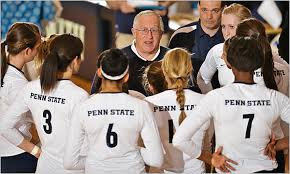
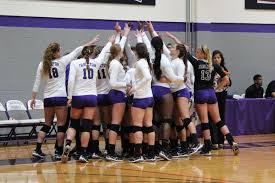
What is a philosophy and why should every coach have one? A philosophy is the foundation of your program that will not only guide you and your staff, but it is what your athletes will have to build on, depend on, look up to, and strive for. When you are creating your philosophy make sure that you have considered not only what you want your program to be built on, but how it will mold your athletes to be not only an athlete, but a well rounded human being as well.

There are a couple of key elements that I believe a coach shall include in their philosophy.
  • Make sure your goals are crystal clear. This goes for everyone involved in your program; administrators, staff, athletes, parents, etc. There should be no question as to what you expect from your program.
  • Have an open door policy. Allow your athletes to come to you when they are in situations that they have no control over. However, make sure there is a professional standard that is met and not crossed.
  • Include your coaching staff. Be clear that everyone is on the same page, have the same goals for the athletes and the program.
  • Maintain focus on the bigger picture. Even though some things in your original plan may change or not work out, keep your eyes on what your ultimate goal is.

In addition to these elements, a coach must be human. Remember that even you will make mistakes and stay humble to those around you. One important characteristic of a great coach is knowing when things are not working and can admit that a change is needed. A coach’s initial philosophy should change as they gain experience and relationships. Allow your philosophy to grow with you as a coach.

These points are not just for someone coaching volleyball, this is for a coach in general.  Creating and maintaining a successful program starts from a good foundation and the ability to adapt your coaching methods to the needs of your athletes.

References:
18 core principles in developing a coaching philosophy. (2003). In M. Gutherie, Coaching Track & Field Successfully.

2Elaine Roque, P. V. (2001-2012). Volleyball Coaching Manual. 7.


How Strength Coaches Could Impact High School Programs: Part 1


Over the past 30 years there has been a dramatic increase in acquiring strength and conditioning professionals for professional and collegiate settings, as well as private sectors. Many believe that the strength and conditioning professional has one of the most vital positions within an athletic department. The amount of time a strength and conditioning coach spends with an athlete on a daily basis greatly outweighs the amount of time the athlete would spend with his/her sport coach. With the number of certified strength and conditioning professionals increasing every year and only a select few professional jobs, a handful of collegiate jobs, the profession needs to expand. In order for this expansion to occur, the obvious solution is to start implementing strength and conditions professionals into areas where they are needed the most, in high schools. Here are two impacts that strength coaches could have on a high school athletic program:
Injury Reduction
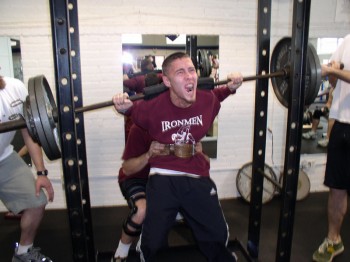
801535.1130608945082.HOW_NOT_TO_SQUAT-350x262.jpgAthletes would be taught what exercises require a spotter, which exercises that should never have a spotter due to the increased risk of injuring both athletes, and how to properly “fail” or drop weights. These may all seem common knowledge for some whose training status exceeds intermediate. Most high school athletes have never step foot into a weight room before entering high school. Failure to properly implement these concepts to athletes can lead to weight room injuries and dangerous situations.1

Performance Enhancement
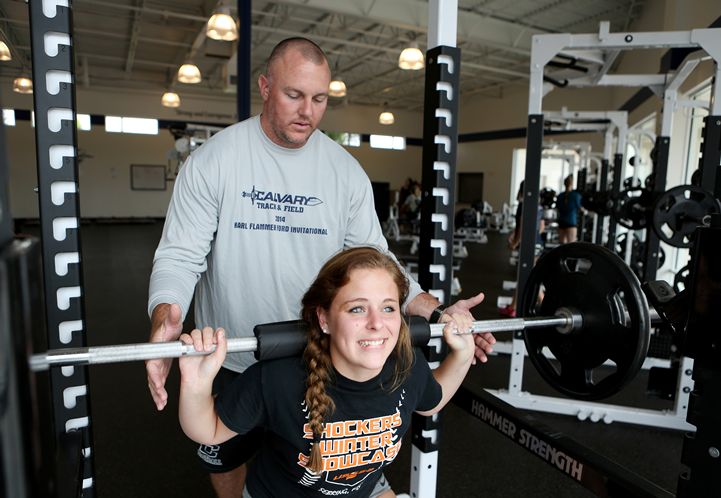
calvary.jpgProviding proper training is a crucial piece of the success at any high school. Having a certified strength and conditioning professional who understands the principles behind enhancing athletic performance in a safe and effective manner is what separates championship programs apart from others. This individual has put in hours at coaches’ clinics, strength conventions, and has spent many hours interning with universities and professional teams gaining knowledge on how to properly improve athletic performance.2

Decreasing the risk of injury and enhancing athletic performance are important aspects to the success of an athletic program. These are only a couple of reasons why high school athletic directors should really consider bringing on a certified strength and conditioning professional to enhance the athletic program. Stay tuned for part 2 of how strength coaches can impact high school programs.

References:
1Ryan_Faer. (2015, November 19). Why high schools need strength & conditioning professionals — part I. Retrieved May 18, 2016, https://medium.com/@Ryan_Faer/why-high-schools-need-strength-conditioning-coaches-part-i-4c2bf654d013#.s9a7ka2rd
2Loadman, K. (2014, August 27). How to improve strength training at the high school level. Retrieved May 18, 2016, from http://www.elitefts.com/education/training/sports-performance/how-to-improve-strength-training-at-the-high-school-level/


What is APE?

IMG_0713.JPG
Adapted Physical Education (APE) is modified activities and exercises for children with disabilities so the children can participate in all aspects of physical education or activities. Physical activity for people with disabilities has a tendency to be overlooked but in reality it is just as important as it is for able-bodied people. Benefits of APE include:

  • Physical domain: Motor skills need to be learned, practiced and reinforced.1
  • Cognitive domain: There have been studies that prove that physical activity has been proven to improve concentration in the classroom. This also leads to more brain stimulation because they are less likely to lose focus since they have been able to exercise and channel their energy.
  • Affective domain: APE is beneficial because it helps children with disabilities focus, and reduces the amount of outbursts or inappropriate behaviors. This is due to the fact that the students are being able to use PE as an outlet of stress, energy and restlessness.
  • Individualization: One of the most important aspects of APE is that each child can have different goals and areas that need to be focused on to improve the quality of life. Each activity can be modified to each student and their needs. In some cases APE classes are only a few students or one on one with the teacher.
  • Improved performance in general physical education: These students will also be able to use the knowledge and skills that they have learned in APE to apply them to general PE. Because they are able to learn and perform in the physical, cognitive and social-emotional domains.2 In any PE class or activity these students are introduced to winning/losing, conflict, and competition. In APE classes they will understand how to recognize and learn to control their emotions to the best of their ability.

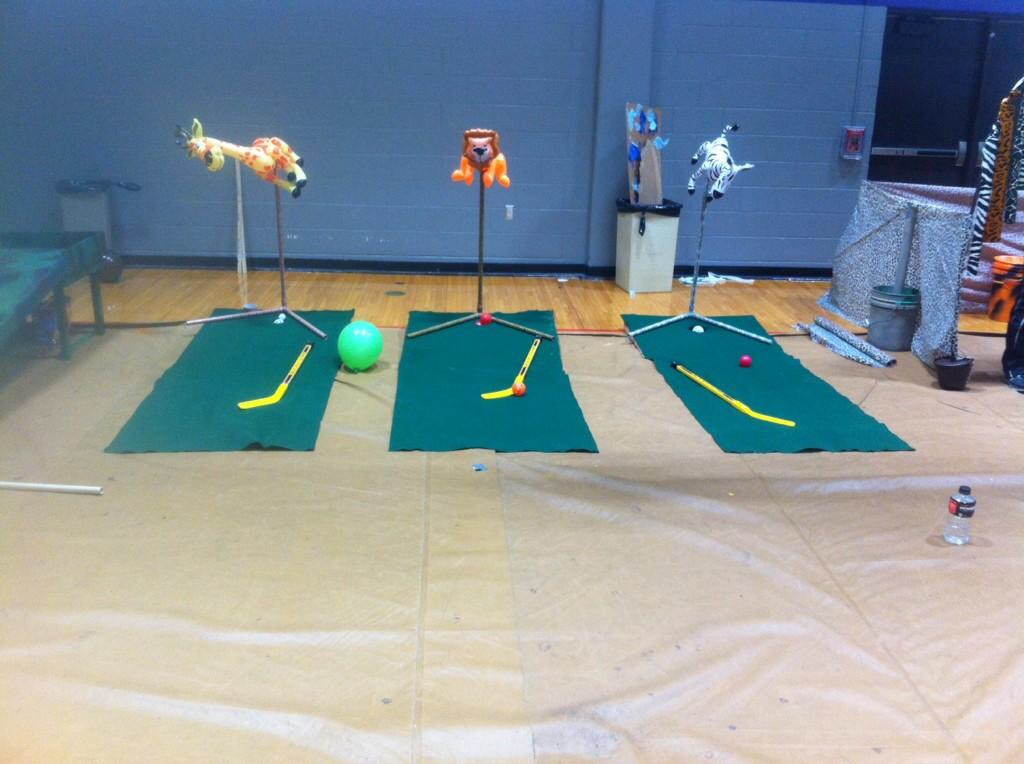
One example of an APE modification is shown in the image above. I built 3 putt-putt holes and modified it by making the cups different sizes, providing different sized incline angles, and using a bumper behind each cup to help guide the ball. Other modifications were different types of putters and balls, we used hockey sticks and various sizes of wiffle balls.

In conclusion, APE is more than just one-on-one interaction with the teacher, these students will have the ability to use what they have learned and apply it to a general PE class. APE is much more beneficial than only to be limited as physical fitness, it is emotional, behavioral, and social stimulation as well.
References:
1Logan, S. W., Robinson, L. E., Wilson, A. E., & Lucas, W. A. (2012). Getting the fundamentals of movement: a meta‐analysis of the effectiveness of motor skill interventions in children. Child: care, health and development, 38(3), 305-315.
2Tripp, A., Piletic, C., & Babcock, G. (2004). A Position Statement on Including Students With Disabilities in Physical Education.

Whey Protein: Yes or No?


Whey Protein: Yes or No?


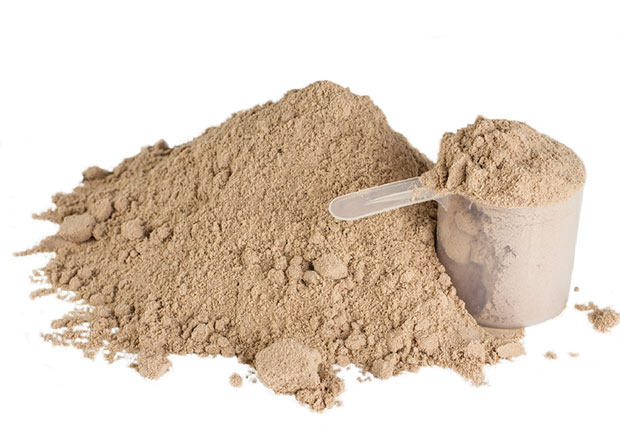
The answer is yes, an absolute YES! When talking about the supplements that you should take there is no way this one can go without being mentioned. Whey protein has been around as long as milk has been. Whey protein is a complete protein that is found in milk. It also has numerous amino acids, a large amount are BCAA’s (Branch Chain Amino Acids) which are beneficial if you are looking at possibly gaining muscle. It is often mixed with water or milk and the consumed as a beverage. It is easily the most used supplement across all of fitness. Also the benefits of whey are often
overlooked. The benefits of whey protein are amazing and I feel it should be including into the average daily diet.


Benefits of Whey Protein:
  1. Immunity - Immunoglobulin is found in whey protein and helps with keeping a healthy immune system. This helps you in everyday life with the possibilities of becoming sick you now have a strong immune system because of taking whey protein.
  2. Heart Health - Studies have shown that those who take whey protein on a regular basis have better high-density lipoprotein and triglyceride levels and lower systolic blood pressure.
  3. Weight Control - Incorporating whey protein into your diet without working out has shown people to lose weight.
  4. Building Muscle - Whey protein is digest into the digestive system faster than casine (also a protein) allowing it to work faster and provide better results. The fast digestion allows you to take it before you workout and it to supply your muscles with amino acids that you need to build the muscles you want.”Whey protein also boosts blood flow to muscle tissue, which is another secret to its protein-synthesis power.” It helps increase recovery after a workout.


When including whey protein into your diet it is recommended to drink or ingest the protein about   30 minutes before you workout and within 30 minutes after you workout for maximum results. On average you want consume one gram of protein for each pound on your body but that varies with goals and what you are trying to accomplish.


As you can see whey protein is incredibly helpful to the body in all that it does. From immunity to building muscle it does all that it can to better you. With everything that has been said it is pretty hard to not want to include this into your daily diet. When it comes to your body you get out of it what you put into it so why not put something great into it.


References:
1Whey To Transform: Your Expert Guide To The Premier Muscle-Building Protein. (2015, September 15). Retrieved from http://www.bodybuilding.com/fun/whey-to-grow-expert-guide-premier-muscle-building-protein.html

Sunday, May 22, 2016

Femoroacetabular Impingement Part 1

1 Femoroacetabular Impingement (FAI) is a condition that I came across while studying for my BOC exam. Basically, it is a condition where the bones of the hip are shaped abnormally. As you might imagine, this causes the hip bones to rub against one another and cause damage to the joint.
There are three types of FAI that can happen to an individual: a pincer, a cam, and then a combination of the two. 1 A pincer is a type of impingement that occurs because of an extra bone that extends out over the normal rim of the acetabulum. The labrum can be severely damaged under the prominent rim. 1 The second impingement, the cam, is where the femoral head is not round and can’t rotate smoothly inside the acetabulum. This causes a bump to develop on the edge of the femoral head that grinds the cartilage inside the acetabulum. 1 There are also individuals that have developed both impingements in their hip, which causes even more stress and pain on that single joint.
The symptoms of FAI are hard to diagnosis if you do not know what you are looking for. Many people may have a hip impingement for years and never know it because it takes a while for the pain to actually start. 2 The main symptoms that are seen are stiffness in the groin or front of the thigh and/or the loss of your hip’s full range of motion. 2 When the impingement first occurs, the individual may only feel pain at the end of the hips limits, either in hip full flexion or full extension. After a while, it progresses and causes them to feel more pain during certain activities. Next week I will talk about the diagnosis process and how to treat FAI.


References:

1 Femoroacetabular Impingement (FAI)-OrthoInfo - AAOS. (n.d.). Retrieved May 15, 2016, from http://orthoinfo.aaos.org/topic.cfm?topic=a00571

2 Hip Impingement: Symptoms, Treatments, Causes, and More. (n.d.). Retrieved May 15, 2016, from http://www.webmd.com/pain-management/hip-impingement-causes-treatments?page=2

The Importance of Strength and Conditioning Coaches at Small Universities: Part 1


1 Strength and conditioning has come a long way Since the first Strength and Conditioning coach was officially hired all the way back in 1969 by the University of Nebraska to help “bulk up” their football team. Boyd Epley was the first official full-time Strength and Conditioning coach at the collegiate level with a starting salary of $2 an hour. Now the starting salary starts at about $35,000. The profession has come a long way at the Division 1 level, but still lacks at the lower levels of competition such as D2 and D3.  
CSCS.pngAt the D1 level, a certified (CSCS, or CSCCa- SCCC), full-time strength coach is required to be on staff, conducting and implementing the training and conditioning of athletes of all varsity sports. At the D1 & D2 level athletes are only aloud to meet in organized team settings for 8 hours a week in off season periods. This 8 hours is split between the sport coach and the strength staff. Often times the teams will see the strength coach more than sport coach, but it is always good practice to leave at least 2 hours a week for meetings, and film review with their respected sport coach. This can prove difficult in some situations all depending on the sport coaches wants and needs. In the end you must come to a compromise that works in both ends.
SCCC.jpeg
The D2 level recently passed rules requiring all universities to have a certified strength coach on staff, but are not required to be full time, or even just a strength coach. A sport coach with a certification will suffice under the new rule. At the D3 level the rule is very broad with many grey areas in between. 2 At the D3 level there are no requirements to have a certified strength coach on staff, and no rules that regulate workouts. 3 There is no 8-hour rule that larger universities must adhere to, but the athletes must be given at least one full day off each week from any team associated activities. If a coach is certified on staff the sport can make the workouts mandatory during the school year, but not during the summer. While without a certified coach all workouts are deemed mandatory. The issue with this is many schools then run into issues with injuries and bad programs that are doing nothing but hurting the athletes.
Weights.jpeg
A standard must be set across all levels of competition to ensure the health and safety for all collegiate athletes. The profession has come a long way from its humble beginnings, but still has some improvements to be made.
Sled.jpeg


References:
1Rovell, D. (2015, December 30). These strength and conditioning coaches carry hefty price tags. Retrieved May 15, 2016, from http://espn.go.com/college-football/story/_/id/14459410/these-highly-paid-strength-conditioning-coaches-carry-plenty-weight-college-football

2SIEVERT, J. P. (2011). NCAA Division III: Athletically Related Activities and Certified Strength and Conditioning Personnel. Retrieved May 15, 2016, from https://bucknersportslaw.wordpress.com/2011/06/27/ncaa-division-iii-athletically-related-activities-and-certified-strength-and-conditioning-personnel/
3Watts, M. (2014, January 06). The Sad State of DIII Strength and Conditioning. Retrieved May 15, 2016, from http://www.elitefts.com/education/the-sad-state-of-diii-strength-and-conditioning/