Saturday, December 10, 2016

Rehabilitation for Lung disorders

Pulmonary disorders have been shown to have some negative effects on physical activity that make it hard for an individual to accomplish everyday activities. Although these disorders are non-reversible, they can be managed for a better quality of life. The effects of lung disorders can have an effect on an individual physically and mentally. A person may have a hard time physically catching their breath, but also mentally finding the motivation and confidence to work through it.
cardio rehab.jpg
http://healthcare.utah.edu/pulmonaryservices/images/rehab.jpg
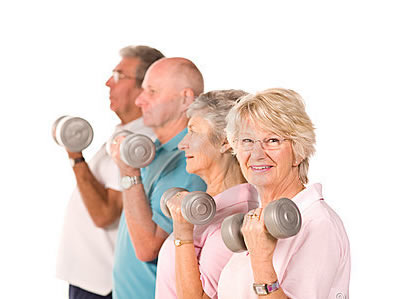
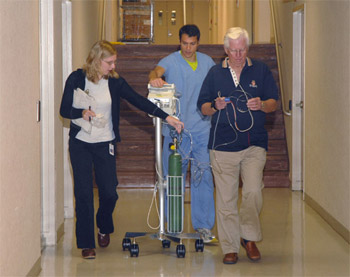
Pulmonary rehabilitation is geared toward helping people with COPD exercise for a better quality of life. When a COPD patient experiences dyspnea during physical activity, they end up using accessory muscles around their lungs to help compensate for the damage they already have. Due to these muscles being smaller, they are prone to get tired faster. During pulmonary rehabilitation, those accessory muscles along with larger breathing muscles, such as the diaphragm, are trained with cardiovascular and resistance exercises. Cardiorespiratory training has been shown to reduce muscle fatigue and lowers the ventilatory requirement. Resistance exercises on accessory muscles will put less strain on the cardiorespiratory system but still have beneficial effects.2 This will allow the person to work with a high load, but have less dyspnea. A combination of cardiorespiratory and resistance training has resulted in better outcomes than cardiorespiratory training alone.
resistance_rehab.jpg

Just like with cardiorespiratory and resistance training in healthy individuals, there are beneficial adaptations in the cells as well. Some of these include a higher mitochondrial density, capillary density, and muscle fiber size. This allows for a bit higher lactate threshold, which will allow the patient to be able to work longer with less dyspnea and discomfort.
With the added physical activity the patient is doing, it is important to add nutritional awareness to their rehabilitation as well. Considering the added energy expenditure and muscle breakdown and growth, and increase in protein is very important. This increase can help promote a healthy weight and fat-free mass.2
Although pulmonary disease is non-reversible, they symptoms can be managed with rehabilitation for an improved quality of life. A combination of cardiorespiratory and resistance training can provide the best results for a patient seeking an improved quality of life.
References:
1Powers, S.K. and Howley, E. T. Exercise Physiology. Theory and Application
to Fitness and Performance. 2015; (9).
2Vogiatzis, I., Zakynthinos, S. The physiological basis of rehabilitation in chronic heart and lung disease. Journal of Applied Physiology. 2013; (1) 115; 16-21.

Effects of Lung Disorders on Physical Activity

When exercising, there are plenty of external factors that can hinder a person’s performance such as: extreme temperature, high elevation, or other environmental conditions. There are also internal physiological factors that can limit a person’s physical activity due to respiratory problems caused by genetic factors, or certain life choices such as smoking. The genetic problem would be asthma (exercise induced or bronchial), and the other disorders are chronic bronchitis, and emphysema.
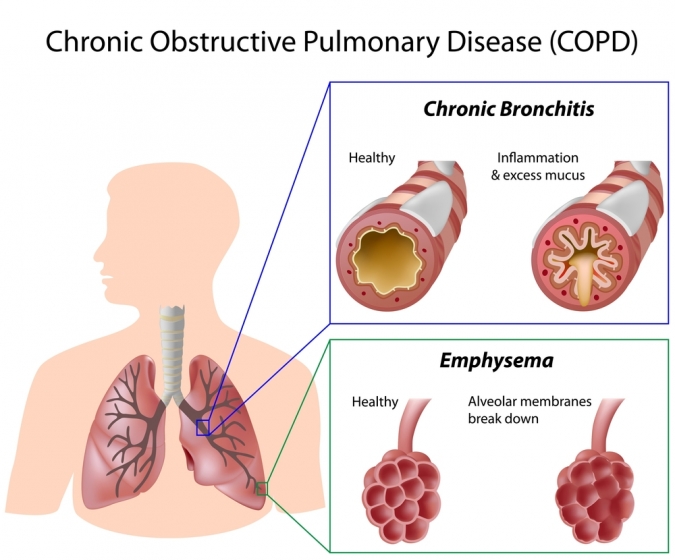
Emphysema, chronic bronchitis, and bronchial asthma are collectively called Chronic Obstructive Pulmonary Disorder (COPD). COPD results in obstruction of the airway and is non-reversible. Chronic bronchitis is a lung disorder in which mucus production is constant, resulting in chronically obstructed airways. Emphysema causes an airway collapse and increased airway resistance due to decreased elastic support of the airway.1 An individual with COPD has a hard time performing normal everyday activities without getting tired quickly. The increased amount of work on the respiratory muscles for ventilation are one of the causes of this problem.
copd.jpg


COPD is characterized by the decreased ability to exhale1, which contributes to poor oxygen perfusion. The decreased ability to exhale properly and airway obstruction, leads to a higher breathing frequency while there is a lower ventilatory capacity. These disorders contribute to the patient’s dyspnea (difficulty breathing).
The hyperinflation of the lungs causes the individual to not be able to catch their breath properly and the high respiratory rate can cause the person to have anxiety. The individual who cannot catch their breath will start to worry about not being able to breath properly, making the situation even worse. This can usually be subsided by breathing techniques such as pursed lip breathing.
With all the work being done by the body, (physical activity and the act of trying to regulate normal breathing), there are energy demands that need to be met. The improper perfusion of oxygen in the pulmonary system means less oxygen going to the muscles, which results in fatigue. This is happening in the skeletal muscles trying to move the body, and the respiratory muscles that are contributing to ventilation.
The onset of labored breathing caused by COPD during physical activity causes the start of factors that impede normal breathing and create a snowball effect of problems. The disorder causes labored breathing and the decreased ability to exhale and a decrease in oxygen perfusion. This can lead to anxiety and even more labored breathing. The decrease in oxygen perfusion caused fatigue in the skeletal and respiratory muscles causing a need for high ventilation, thus starting at the beginning all over again. These disorders are irreversible, but can be managed with rehabilitative exercise training. This will be discussed more in the next blog.

References:
1Powers, S.K. and Howley, E. T. Exercise Physiology. Theory and Application
to Fitness and Performance. 2015; (9).
2Vogiatzis, I., Zakynthinos, S. The physiological basis of rehabilitation in chronic heart and lung disease. Journal of Applied Physiology. 2013; (1) 115; 16-21.

Effects of Age on Oxygen Uptake Kinetics

After exploring a few ways athletes can improve their VO2max, we have learned that coaches and athletes can maneuver around limitations a human’s physiology might have. Despite all the adaptations, training methods, and ergogenic aids an athlete may have access to, there is one thing that they cannot escape. Age.
running_for_older_people.jpeg
https://cdn1.flrunning.com/2016-06/running_for_older_people.jpeg
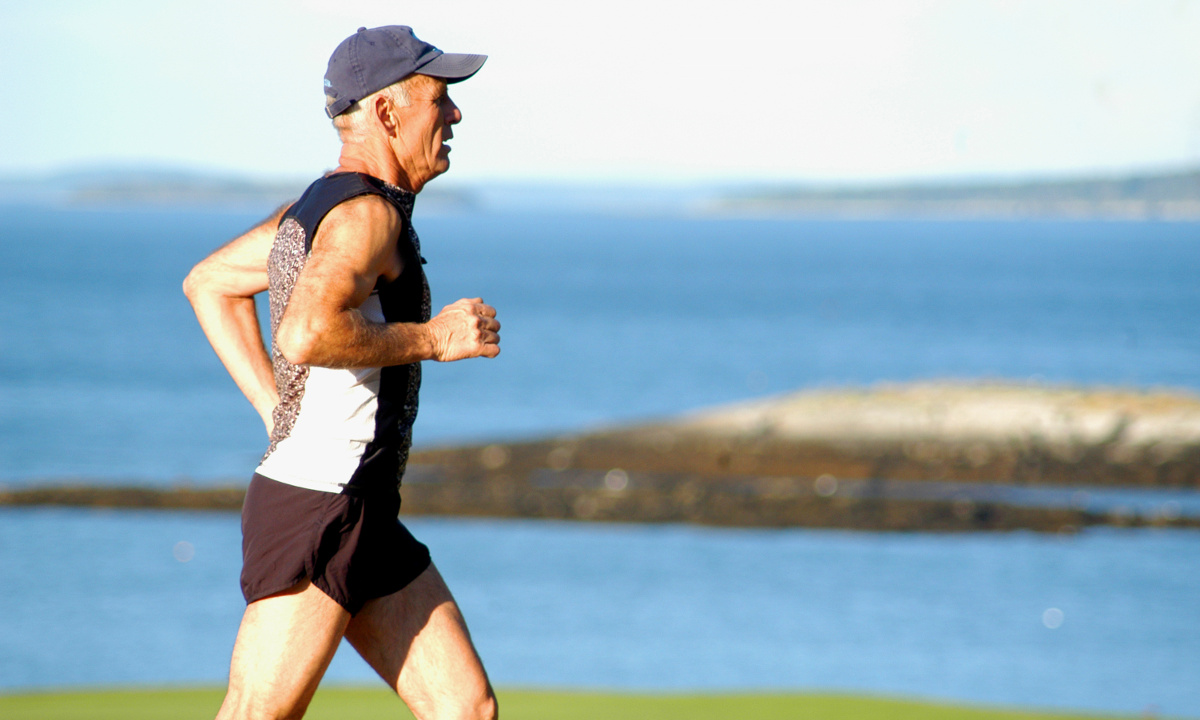
Physiological responses to exercise have age-related differences between the young and the old. VO2max will decline with age without regard to whether or not an individual is trained or untrained.1 A study by Grey et al. showed that untrained young, middle age, and older individuals had a VO2max of 50, 45, and 30 ml•kg-1•min-1, respectively. Trained young, middle aged, and older individuals had a VO2max of 67, 55, and 45 ml•kg-1•min-1, respectively. 1 Although there is a significant difference in values in the corresponding ages, there was still a decrease in VO2max. An individual can lose around 1% of maximal aerobic power per year from its peak value (age 20 – 40 years). 2 In an earlier blog, we learned that VO2max (maximal aerobic capacity) is determined by the uptake of oxygen of the tissues as well as cardiac output.2 Aging causes a decline in maximal cardiac output and maximal a-v O2 difference, which both contribute to the decline in VO2max.2

Although long-term endurance exercise cannot halt the declining effects of aging on VO2 max, it can slow it down. Long-term endurance training can prevent the slowing of VO2 kinetics. This is shown by the absence of age-related slowing of VO2 kinetics, presented by the oxygen delivery to oxygen utilization ratio in trained older individuals.1 As a result, the trained older individual will experience a lower decline in VO2max.1
No one can outrun the effects of age, but with the help of long-term endurance training, it can be slowed down. An individual's VO2max will decrease without regard to if they are trained or untrained, but the individual who is trained can prevent the slowing of VO2 kinetics.1 For the majority, a decline in VO2max is usually due to a decline in physical activity. With this decrease comes a decline in being able to engage in physical activity comfortably. This initiates a snowball effect and affect quality of life, and could lead to even more health problems.2 Things like asthma, bronchitis, and emphysema can also cause a significant decrease in oxygen uptake kinetics. This will be discussed more in the upcoming blog.
References:
1Grey, T. M., Spencer, M. D., Belfry, G. R., Kowalchuk, J. M., Paterson, D. H., and Murias, J. M.     Effects of Age and Long- Term Endurance Training on VO2 Kinetics. Medicine & Science In Sports & Exercise. 2015; 47 (2); 289-298.
2Powers, S.K. and Howley, E. T. Exercise Physiology. Theory and Application
 to Fitness and Performance. 2015; (9): 383-386, 509-512.

Attempting to Mimic Elevation Training with "Elevation Training Mask"

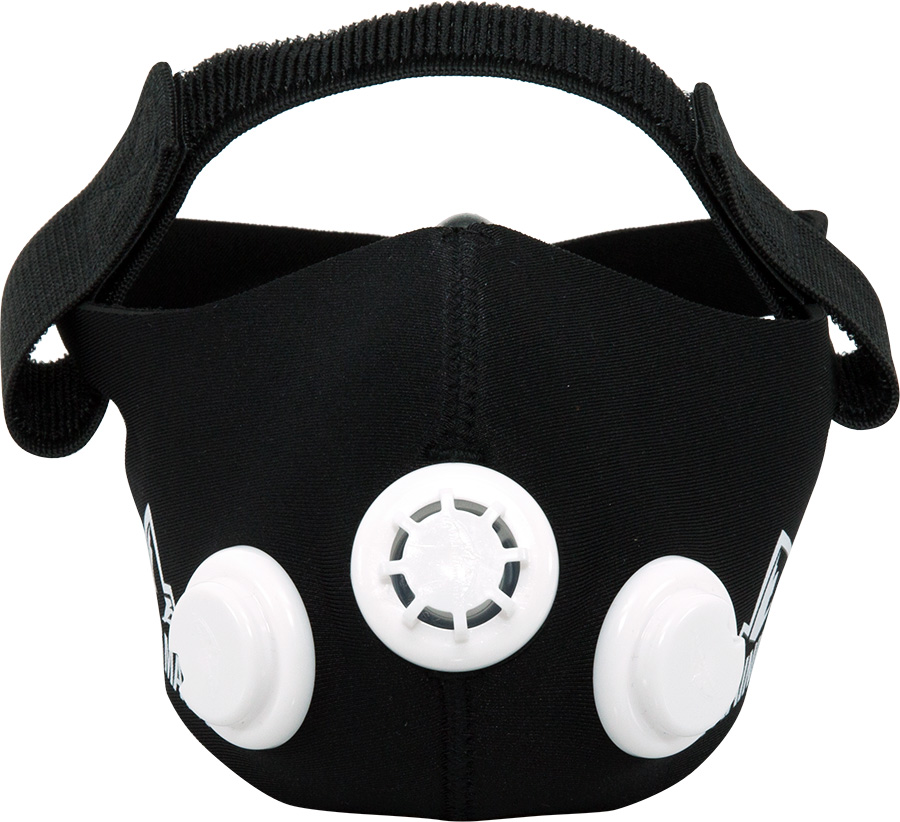
Athletes and exercise enthusiasts have always found ways to improve training and performance; one example being the use of elevation training. A few drawbacks of elevation training are that it can be tedious, expensive and unobtainable for some. So of course, with the curiosity of humanity, the search for a more accessible way to achieve the benefits of elevation training was on. The “Elevation Training Mask 2.0”1 is one of the devices that claims to produce these benefits.
training-mask-w-headstrap.jpg

A study by Porcari et al. was conducted to determine if any effects occurred while using an elevation training mask compared to a control group. They tested VO2max, ventilatory threshold, respiratory compensation threshold, maximum heart rate, and peak power output. The participants were put through a six-week high intensity training program on a cycle ergometer.
Changes in the participant's’ VO2 max and peak power output increased significantly due to training effects, not specifically the mask, but there was not a difference in magnitude between groups.1 There were also no significant changes in the pulmonary function and hematological variables during the training period. So, things like hemoglobin levels, hematocrit levels, and forced expiratory volume in one minute, did not improve due to the mask. The respiratory compensation threshold (+10.2) and power output at respiratory compensation threshold (+16.4).1 Respiratory compensation is when plasma pH can be altered by a changing respiratory rate. 2
Oxygen saturation tended to be lower in the mask group during exercise, but only by about 2% than the control group, which is normal during high intensity exercise. A failure to show oxygen desaturation and hematological changes suggests that the mask works more like a muscle training device than an altitude simulator.2
Although Porcari suggest that the elevation training mask acts more as an inspiratory muscle training device, he does acknowledge that the mask can have some added benefits to cardiovascular training. Of course, additional studies are needed to find exactly how much a person can benefit from this type of training, what dose should be used, and if the benefits translate to added performance in athletes.2
1Porcari, J.P., Probst, L., Forrester, K., Doberstein, S., Foster, C., Cress, M. L., and Schmidt, K. Effect of Wearing Elevation Training Mask on Aerobic Capacity, Lung Function, and Hematological Variables. Journal of Sports Science and Medicine. 2016; 15: 379-386.
2Powers, S.K. and Howley, E. T. Exercise Physiology. Theory and Application
to Fitness and Performance. 2015;

(9): 353-355.
Altitude Training on VO2 Kinetics

As an athlete performs better and better they sometimes hit a plateau and that leads to them looking for a new way to mix up their training regimen or add new benefits from a different type of training. In a previous blog, it had been stated that training at elevation can not only improve components of red blood cells that lead to higher maximum oxygen uptake, but also improvements in the musculoskeletal system. It was also stated that one of the drawbacks of training in higher elevation was that upon return to sea-level, the effects would soon go away. One of the training methods to prevents such losses are; “the live high, train low” method.1

altitude training.jpeg


This “live high” term is used to describe the low partial pressure of oxygen at high elevation needed to reap the benefits of altitude training. The term “train low” is used to describe low altitude, or sea level, used to be able to train at high intensity and long duration.2
In a study performed by Stray-Gundersen and Levine, the “live high, train low” method consisted of athletes training at high altitudes and a control group at sea level.1 The authors wanted to see what improvements in performance, if any, transferred from the elevation training to performing at sea level. One group-set lived at a high altitude and trained at high altitude (HiHi), one lived at high altitude and trained at low altitude (HiLo), and the control group-set lived and trained at a low altitude (LoLo). All of the athletes had the same training routine and were all tested with a 5,000m time trial to see improvements. All athletes trained for four weeks at sea level, then were assigned into their respective altitude group (HiHi, HiLo, LoLo) for four weeks, and then all were assessed at sea level for three more weeks.1
The HiLo group was the only group that maintained improvement at sea level with the 5,000m test (1.4% decrease in time). The improvement was maintained throughout the 3-week post camp assessment, and the HiHi and LoLo groups did not improve during that 3-week post assessment. Red cell mass increased in the HiHi and HiLo groups (~8%), but not the control groups. VO2 max also increased in the HiHi and HiLo groups (~5%), but no change in the control groups.1
In conclusion, athletes looking for a method of training that will not only increase VO2 max, but also beneficially increase red blood cell components safely, can consider altitude training. Altitude training has shown to improve VO2 max, red blood cell mass, and improve physiological components of the musculoskeletal system. One proven way to maintain those improvements after descending to sea level after exposure to altitude is to use the “live high, train low” method. Is there a way to get these beneficial adaptations without the hassle and cost of natural elevation? Or are some trends just a myth? This will be a topic in the next blog.
1Stray-Gundersen, J., Levine, B. D. Live high, train low at natural altitude. Scand J Med Sci Sports. 2008; 18(Suppl. 1): 21-28.

2Powers, S.K. and Howley, E. T. Exercise Physiology. Theory and Application
to Fitness and Performance. 2015;
(9): 547.

Effects of Altitude on Oxygen Consumption

As stated in a previous blog, there are a number of limitations of cardiovascular training. One in particular being, change in atmospheric pressure due to altitude. As altitude rises, atmospheric pressure decreases, which in turn impair the respiratory system. The percentage of the different components of air we breathe (oxygen, nitrogen, and carbon dioxide) are the same at sea level and at altitude, the only thing that changes is that the air is less dense. The decrease in air density causes there to be fewer molecules of gas in each liter of air. The change in partial pressure is also caused by the increase in altitude which in turn has an effect on hemoglobin and oxygen transport. 2
As stated in a previous blog, one of the limitations of oxygen uptake was the amount of oxygen the respiratory system can utilize during high intensity workouts. Adding higher altitude to this problem gives the situation even more limitations. Altitude initially causes an increase in pulmonary ventilation, an increase in cardiac output, and a decrease in VO2max when exercising. Knowing the importance of a training athletes VO2max, we know traveling to high altitudes would be detrimental to training, or would it?1

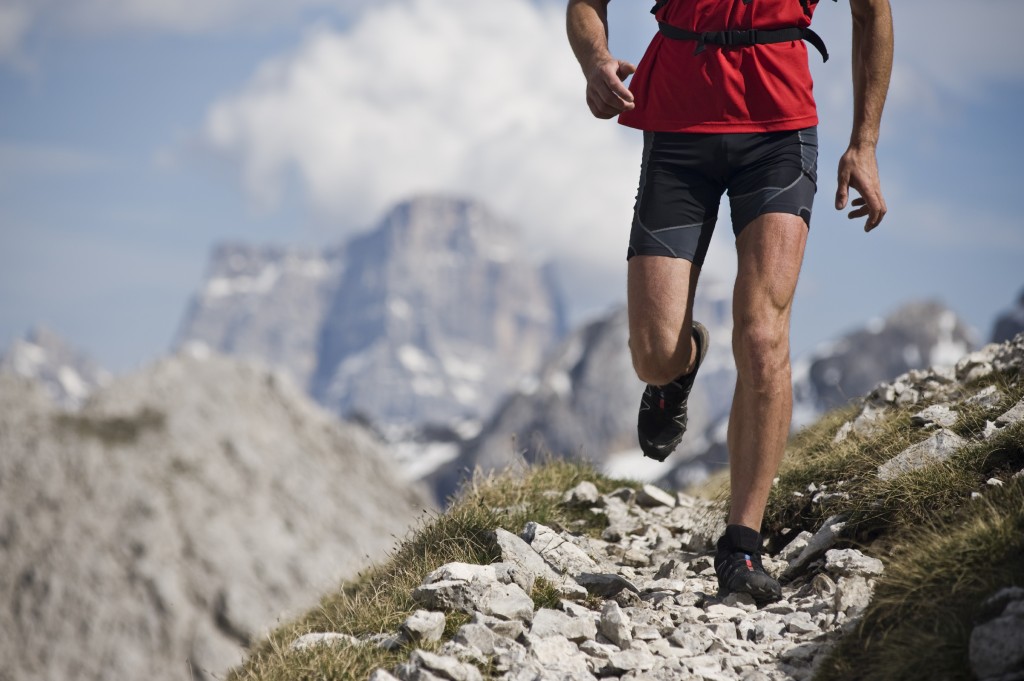
Trail-running-dolomites-1024x681.jpg
http://www.drpeterlarkins.com/wp-content/uploads/2012/04/Trail-running-dolomites-1024x681.jpg

After a three to six-month acclimatization period, the body naturally adjusts to altitude hypoxia and adaptations that could benefit training occur. There are longer-term adjustments that happen after the initial acclimatization period that can benefit an athlete's training program and performance. An increase in red blood cell production, increase in hematocrit level, an increased capillary density of skeletal muscles, and an increase in number of mitochondria. Which all of these things can lead to an increase in maximum oxygen consumption. The benefits of these are very similar to the benefits of
blood doping, but are conversely an ethical ergogenic aid.1
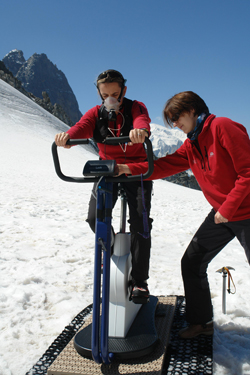
Xtreme-everest-test.jpeg

This information on altitude adaptation on oxygen consumption is very useful for athletes trying to get an edge in competition, but there are some drawbacks. When the athlete trains at a high altitude and gains the benefits of altitude training and returns back to sea level, the adaptations will slowly revert back to pre-exposure of high altitude.2  Within weeks to months, the athlete will have lost the advantages and will be back to the level of performance he was before, or even below that due to the fact that the amount of training volume is limited because of the change in altitude.1 This, of course, led to the want to harvest those benefits without the drawbacks. Some of the training methods that accomplish that task will be discussed in the next blog.
1Baechle, T.R. and Earle, R.W. Essential of Strength and Conditioning. National Strength
and Conditioning Association. 2008;
(3):134-135

2Powers, S.K. and Howley, E. T. Exercise Physiology. Theory and Application to Fitness and Performance. 2015; (9): 481-483, 541-551.


Limitations and Adaptations of Oxygen Consumption

During exercise we all try to push ourselves to work harder and reach new limits and milestones in our training. But no matter how hard we push, we are limited physiologically because maximal oxygen uptake is limited by the cardiorespiratory system’s ability to deliver oxygen to the muscles.2 During bouts of exercise with increased intensity, minute ventilation (the volume of air breathed per minute) increases due to increased depth and frequency of breathing, which leads to increased oxygen consumption and CO2 production.1 And as discussed in an earlier blog, decreases performance. During high intensity exercise, the partial pressure of oxygen lowers and carbon dioxide increases, which causes the gas exchange due to diffusion to happen more rapidly.1  
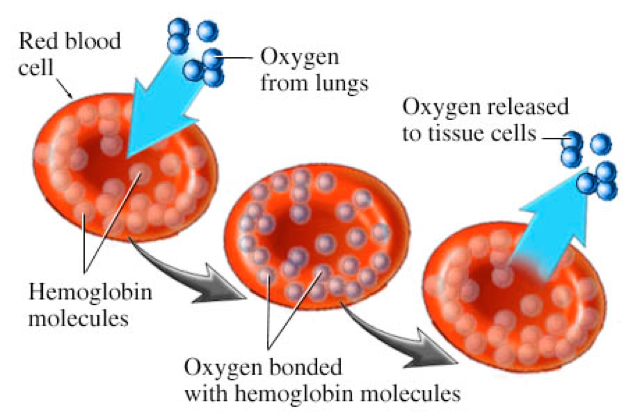
hymoglobin.png

http://img.webmd.com/dtmcms/live/webmd/consumer_assets/site_images/media/medical/hw/n5551170.jpg
Oxygen is transported through the blood by a protein found in red blood cells known as hemoglobin, the binding of these two forms oxyhemoglobin. The amount of oxygen that can be transported in the blood in dependent on the concentration of hemoglobin. The binding of these two sensitive to things like pH and temperature. A decrease in blood pH (increased acidity) causes a weaker bond between oxygen and hemoglobin, which results in increased unloading of oxygen into the blood. An increase in temperature will cause a weaker bond between oxygen and hemoglobin, resulting in an increase of oxygen unloading in working muscles. Another factor that can affect hemoglobin concentration is a byproduct of red blood cell glycolysis called 2- 3 DPG. 2-3 DPG can combine with hemoglobin and reduce the hemoglobin’s ability to bind to oxygen. 2- 3 DPG are known to increase in climates with high elevation and in individuals with anemia.3
With an increase in exercise intensity, the respiratory system becomes limited, even in trained individuals.4 However, there are adaptations that can occur due to cardiorespiratory training that can work in favor of a higher VO2 max and more efficient oxygen consumption. Aerobic exercise allows for the increase in size and number of mitochondria, capillaries, and an increase in myoglobin content. Mitochondria are responsible for aerobically producing ATP. The ability to have increased density of mitochondria and greater concentration of myoglobin allows for a greater utilization of oxygen extraction.1

Limitations of performance are bound to happen, it’s just human physiology. But the great this is, adaptations to overcome those limitations naturally occur as well through cardiorespiratory training.2 But as the level of competition rises many of athletes search for a way to expedite the process of training adaptations, while sedentary individuals are sometimes plagued by life choices or illness and fall even further below the curve.

References:
1Baechle, T.R. and Earle, R.W. Essential of Strength and Conditioning. National Strength and Conditioning Association. 2008; (3):124-130.
2Bassett, D. R., Howley, E. T. Limiting factors for maximum oxygen uptake and determinants of endurance performance. Med Sci Sports Exercise. 2000; 32(1): 70-84.
3Powers, S.K. and Howley, E. T. Exercise Physiology. Theory and Application to Fitness and Performance. 2015; (9): 71-77,216-239.
4Xu, F., Rhodes, E.C. Oxygen uptake kinetics during exercise. Sports Med. 1999; (5): 313-327.