Sunday, October 25, 2015

Thumb Sprains in Volleyball Players

As mentioned in last week’s blog, there are a variety of injuries that can occur depending on where the injury site is. Every joint is stabilized by muscles, tendons, bones, fascia, and ligaments, however, out of the anatomy just mentioned ligaments are more susceptible to injury. More specifically, in this blog we are going to be discussing sprained ligaments within the thumb.
Finger and thumb injuries are likely to occur due to “wrong contact” from the ball during the game or practice.1 These mechanisms can happen at any time during the game but are more likely to occur on an attempt to block the ball.1 In the event that this happens, the ball either bends the thumb backwards or the ball makes a direct impact to the thumb “jamming” it into the joint.1 Once the injury occurs only a few symptoms become present such as swelling in the palm, severe pain, and limited movement within the joint.1,2 These symptoms demonstrate the severity of the ligament damage within the thumb joint therefore an x-ray may be needed to rule out any possible fracture that could have occurred alongside this injury.2,3
Consequently a doctor’s visit would be helpful to make sure no further damage has happened as well as getting the thumb immobilized by a splint so that the joint can rest, as well as be protected.2,3 Rest followed by rehabilitation for the joint is the best protocol to follow when dealing with a thumb sprain.1,2,3 Another treatment that would be helpful would be compression wraps as well as cold therapy to reduce the inflammation process and minimize the pain throughout the initial injury.2
In summary, thumb sprains can be hard to manage because volleyball players use their hands for everything, therefore initial rest is crucial to get the jump start on minimizing pain and swelling. If you take the correct primary steps following the injury, the athlete is less likely to re-injure that thumb and has a better chance at a quicker recovery.
References:
  1. Volleyball. (n.d.). Retrieved October 18, 2015.
  2. Volleyball Thumb Injuries | BetterBraces.com Blog. (n.d.). Retrieved October 18, 2015.
  3. Thumb Sprain. (n.d.). Retrieved October 18, 2015.


Wolff Parkinson White Syndrome

Wolff Parkinson White Syndrome (WPW) is a very rare syndrome that is developed as a baby in the womb. WPW occurs when there is an electrical pathway between your heart’s atrium and ventricle.1 The extra pathway causes the heart to go into tachycardia (rapid heart beat).1 It is estimated that 4 in every 100,000 people develop WPW.1 Most people who experience WPW symptoms are between ages 11 and 50.1
When you have WPW, the accessory pathway along with your normal conduction causes bursts of rapid heartbeats.2 WPW can cause two different rhythm disturbances, the looped electrical impulses and disorganized electrical impulses.2 In WPW the heart sends signals down the accessory pathway and up the other creating a complete electrical loop of signals.1 This condition sends signals to the ventricles at a rapid pace which causes the ventricles to pump very quickly causing the looped electrical impulses.1 If electrical impulses don’t begin in the right atrium, they may travel across the atria in a disorganized way.1 Disorganized electrical impulses can also cause the ventricles to beat faster, then the ventricles don’t have enough blood in them to pump to the rest of the body.1
Some people who have been diagnosed with WPW often don’t have any signs or symptoms associated with the accessory pathway.1 If symptoms do occur, they generally appear in their teens or 20’s.1  Common symptoms of WPW are:
2Wolff Parkinson White Syndrome. (2015). Retrieved October 19, 2015.
·   Sensation of rapid, fluttering or pounding heartbeats1
·   Dizziness1
·   Lightheadedness1
·   Fainting1
·   Tiring easily during exercise1
·   Anxiety1
When experiencing an episode of WPW can last a few seconds or several hours.1 There are different ways to cure WPW.1 The options are vagal maneuvers, medications, cardioversion, or radiofrequency catheter ablation.1 If you aren’t experiencing any symptoms, you may not need any treatment.1
Wolff Parkinson White Syndrome hits close to home with me because my mother suffered from it. When I was younger she would have long episodes of increased heart rate and chest pain. The episodes didn’t happen often but when they did, it was crippling for my mother. She ended up needing the radiofrequency catheter ablation to stop her episodes. Although, WPW is a rare syndrome any time you experience the above symptoms it’s important to see a doctor.

References:
1Wolff-Parkinson-White (WPW) syndrome. (2014, March 19). Retrieved October 19, 2015.
2Wolff Parkinson White Syndrome. (2015). Retrieved October 19, 2015.

Friday, October 23, 2015

Prevention of Pediatric Overuse Injuries

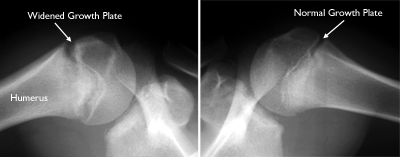
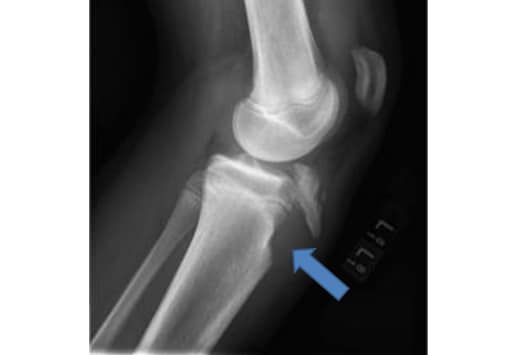
           Prevention of pediatric overuse injuries is highly important, as upwards of fifty percent of pediatric sports injuries that are seen in clinics are chronic conditions.1 These overuse injuries lead to missed playing time, recurring injury, and possibly the athlete’s total refrain from activity, resulting in a sedentary lifestyle. Another issue that may result from pediatric overuse injury is the development of growth-related disorders such as Osgood-Schlatter disease, Sever disease, or other apophyseal injuries.2
           One of the best ways, if not the best way, for identifying at-risk athletes for pediatric overuse injuries is the pre-participation physical exam. The history and musculoskeletal portions of the exam are key for screening athletes who are susceptible to overuse injuries. The musculoskeletal portion of the exam should be used to determine physical stature and maturity, as well as deficiencies in strength and flexibility. Musculoskeletal assessments should include range-of-motion tests, manual muscle tests, joint stress tests, flexibility tests, and balance tests, all of which should be compared bilaterally.
            In order to decrease incidence of overuse injuries in pediatric athletes, it is the responsibilities of the coaches and officials to be well educated in the rules, as to make sure the athletes are participating correctly.1 Proper supervision by coaches and medical staff decreases the likelihood of injury. All athletes, coaches, parents, and officials need to be educated in the signs and symptoms of overuse injuries so that these signs are not ignored.
           Pediatric athletes should establish a good fitness routine in order for their bodies to be able to tolerate the physical demands of sport participation. As a general foundation of fitness is established, training loads may gradually increase. This will help ensure that the athlete’s body can tolerate the work load.1 Simultaneously, incorporating a prevention program has been shown to reduce the number of sports-related overuse injuries. Generally, programs that show success with reducing the amount of pediatric overuse injuries incorporated strengthening, neuromuscular control, flexibility exercises, balance, and technique training.
           It is theorized that athletes that specialize in sports before puberty are at higher risk for injury, as there is constant, repetitive forces placed on the same body part.1 Similarly, athletes that play multiple sports but that target the same parts of the body are also at higher risk of injury. Pediatric athletes should be diverse in the sports they participate in, as this will help the athlete maintain a high level of physical activity without repetitive micro-trauma to the same body part.


REFERENCES:
1 McLeod, T., Decoster, L., Loud, K., Micheli, L., Parker, J., Sandrey, M., & White, C. (2011, March 1). National Athletic Trainers' Association Position Statement: Prevention of Pediatric Overuse Injuries. Retrieved October 3, 2015. http://www.ncbi.nlm.nih.gov/pmc/articles/PMC3070508/


Complications of Exercise-Induced Asthma

Many athletes suffer from the debilitating effects of asthma on a regular basis. Whether the asthma is triggered from seasonal allergies or weather conditions, treatment is always well documented for each athlete. However, whereas traditional asthma is generally diagnosed in people from a young age, an uncommon form of asthma can go undetected for a large portion of a person’s life. Exercise-induced asthma goes untreated in many active people and can be just as miserable for someone to suffer from.

Exercise-induced asthma is a condition involving constriction of the bronchioles.1 The constriction of the bronchioles decreases the amount of air allowed into the lungs making it seem like the person cannot breath. This bronchoconstriction is the result of a histamine release in the body that is triggered by aerobic exercise in various conditions,1 such as cold air, dry air, polluted areas, and areas of high pollen count.2 Exercise-induced asthma can take place as soon as activity is started, but usually the asthma doesn’t begin to take effect until late into the activity, and can even be delayed up to thirty minutes after workout before showing signs. Symptoms usually last several minutes.1
http://diyhealth.com/wp-content/uploads/2013/04/treating_exercise_induced_asthma_t1hn9.jpgSigns and symptoms for exercise-induced asthma include:
             • Coughing
             • Wheezing
             • Shortness of breath
             • Chest tightness
             • Fatigue
             • Diminished athletic performance
             • Feeling of being out of shape when actually in good shape2
Treatment and prevention for exercise-induced asthma involves the use of an inhaler or nebulizer. People with the condition may inhale short-acting beta agonists before exercise in order to prevent the bronchoconstrictions.2 Long-term treatment involves the inhalation of corticosteroids or the use of anti-histamine medications.2
Exercise-induced asthma isn’t a lethal condition, but rather a performance-decreasing condition with associated discomfort. Athletes with exercise-induced asthma shouldn’t have any limitations due to their condition, and only need to be aware of how their body is acting and reacting to the environment.

References:
1Garry, J. (2014, December 10). Exercise-Induced Asthma. Retrieved September 17, 2015. http://emedicine.medscape.com/article/1938228-overview

2Exercise-induced asthma. (2014, October 25). Retrieved September 21, 2015. http://www.mayoclinic.org/diseases-conditions/exercise-induced-asthma/basics/definition/con-20033156


Wednesday, October 21, 2015

Traumatic Brain Injury and Exercise Success


http://tinyurl.com/pnmo8y2
Traumatic brain injury (TBI) may be due to a bump, blow, jolt to the head or a penetrating head injury that disrupts normal brain function; it presents an ever growing, serious public health problem that causes a considerable number of fatalities and cases of permanent disability annually.1 It has been estimated that about 1.7 million citizens of the US sustain TBI annually, while a recent National Registry based study reported about 250 per 100,000 individuals are inflicted annually.1 TBI diagnosis covers a wide range of short-term and long-term impairments in physical, cognitive, behavioral, and emotional domains depending upon injury extent, severity, and location.1 People with TBI report high rates of depression, anxiety, and diminished quality of life.2  Surprisingly, there has been little research on the benefits of exercise of individuals with TBI.
It has been proven that those who exercise regularly experience a multitude of health benefits such as: increased muscle mass, increased cardiovascular endurance, increased energy boost, better sleep, as well as decreases in stress and depression. Individuals with TBI may experience some if not all of these health benefits with regular exercise. Every TBI is different and exercises should be tailored to meet the individual needs of the client in order to maximize benefit in a safe environment. Exercise induces direct change in cerebrovasculature that produce beneficial changes in cerebral blood flow, angiogenesis and vascular disease improvement.1 The improvements induced by physical exercise regimes on brain plasticity and neurocognitive performance are evident both in healthy individuals and those affected by TBI.1
When starting a new regime try to avoid busy crowded locations as it may be easier to focus and not inflict self-doubt. If memory is a challenge bring a partner to go on long walks or bikes with. Try and target large muscle groups with low impact activities such as swimming. The possibilities are endless when improvements are goal orientated. Weather you have a TBI or are considered “healthy”, the long term benefits are the same.


References


1Archer, T. (2011). Influence of Physical Exercise on Traumatic Brain Injury Deficits: Scaffolding Effect. Neurotoxicity Research Neurotox Res, 418-434. doi:10.1007/s12640-011-9297-0


2Wise, E., Hoffman, J., Powell, J., Bombardier, C., & Bell, K. (2012). Benefits of Exercise Maintenance After Traumatic Brain Injury. Archives of Physical Medicine and Rehabilitation, 93(8), 1319-1323. doi:10.1016/j.apmr.2012.05.009


Tuesday, October 20, 2015

Benefits of Ice Treatment and Recovery


Benefits of Ice Treatments
If there is pain, swelling and irritation after an activity, ice treatments can reduce these symptoms. Coolness slows down the particles in tissues and reduces blood flow. The most common cold treatments are ice or something that has been made cold by placing it in the freezer, such as a gel pack .Apply ice for 15 minutes, then allow a 15-minute rest before reapplying. As with heat, too much cold can slow down and stiffen sore joints, so use this treatment with moderation. Applying ice or anything tremendously cold to bare skin can cause injury. Always wrap the source of cold in some sort of cloth.  If a bandage or splint is too thick and the cold is not getting through, apply the cold near the area on exposed skin. Stop using ice if you feel extreme pain or numbness due to the cold.
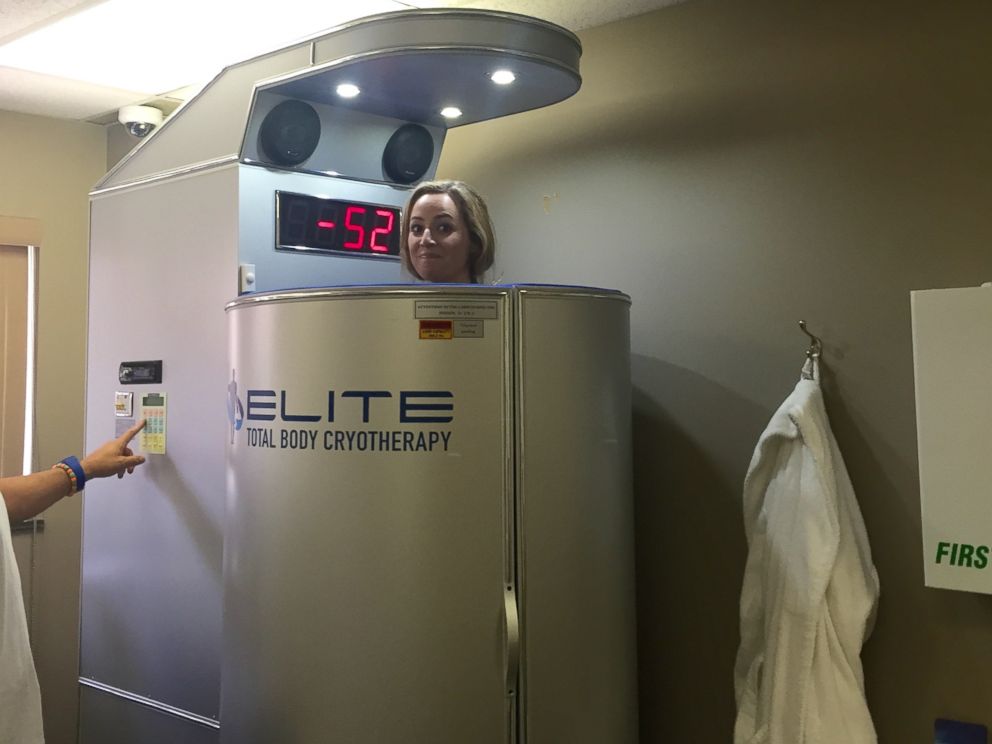
Benefits of Cryotherapy
Unique effects of healing have been observed in the sports traumatology area. Organized cryotherapy has become a possible method in healing sports traumas, and is also applied as a method of biological regeneration. Furthermore, pre-cooling (using cryotherapy chambers prior to physical exertion) has been proven to improve peak levels of performance and reduce post workout lactate levels. Globally, cryotherapy use in training and recovery centers has become the latest trend with national Olympic teams, professional sports teams, runners, and virtually every type of athlete to improve results and minimize injury related loss of workout time.
Metabolic Boost
Exposure to extreme cold during Cryotherapy tricks the body into thinking it’s going into hypothermia, causing it to boost its metabolic rate in order to maintain and increase heat production. This causes the body to burn between 500-800 extra calories. Cryotherapy may be the powerful training partner your weight-loss program needs.


Reference

Hohenauer, E., Taeymans, J., Baeyens, J., Clarys, P., & Clijsen, R. (2015). The Effect of Post-Exercise Cryotherapy on Recovery Characteristics: A Systematic Review and Meta-Analysis. Plos ONE, 10(9), 1-22. doi:10.1371/journal.pone.0139028

DEHGHAN, M., & FARAHBOD, F. (2014). The Efficacy of Thermotherapy and Cryotherapy on Pain Relief in Patients with Acute Low Back Pain, A Clinical Trial Study. Journal Of Clinical & Diagnostic Research, 8(9), 1-4. doi:10.7860/JCDR/2014/7404.4818

Monday, October 19, 2015

Benefits of Branched Chain Amino Acid Supplementation

With the increase of sedentary lifestyles in the 21st century, fitness has become a priority in many trying to beat the obesity plague. Whether it is going for a nightly run around the neighborhood or going to a local recreational facility or fitness center, staying active is vital to meet the individual goals of adolescents and adults. Along with exercise and age comes an unwanted visitor - muscular soreness.

One option that many have used to help with their recovery process is the supplementation of Branched Chain Amino Acids into their diet. Branched Chain Amino Acids or BCAAs consists of the micronutrients: leucine, isoleucine, and valine. Derived from mainly dairy foods, BCAAs can increase muscle growth by stimulating muscle protein synthesis, delay muscular fatigue, and even aid in fat loss2. In another study done by Jennifer Klufa in 2011, it was found that resistance trained individuals could see quicker power recovery with BCAA supplementation than non-resistance trained individuals3. Similarly, a 2011 study over delayed onset muscle soreness, or the more commonly known as the dreaded “DOMS”, found that BCAAs would be a useful method for facilitating muscle recovery.1

If muscular soreness is a problem, consider adding more dairy products into your diet or adding the supplementation of BCAAs to help aid in the muscle recovery process. When the amount of BCAAs are increased in the diet, the ability to workout more frequently and efficiently is likely to happen.

1Al-Nakhli, H. (2011). Delayed onset muscle soreness in people with diabetes; biomarkers and nutritional supplementation (Order No. 3482540). Available from ProQuest Dissertations & Theses Global. (910886258). Retrieved from http://search.proquest.com/docview/910886258?accountid=7078

2J, S. (2015, September 9). Aminos Are Essential: Lift Longer And Grow Stronger With BCAAs. Retrieved October 12, 2015.

3Klufa, J. (2011). The effects of branched chain amino acids on soreness and power recovery following an eccentric exercise bout in resistance trained and non-resistance trained males (Order No. 1494996). Available from ProQuest Dissertations & Theses Global. (877965524). Retrieved from http://search.proquest.com/docview/877965524?accountid=7078

Jump Rope: Can It Benefit You?

The use of the jump rope during exercise is most commonly used in boxing training. This is also known as “rope skipping”. Not all of us are training for a boxing event so should we be incorporating this into our daily workout regimen? What benefits can we gain for using the jump rope?
  • Coordination1
  • Agility1
  • http://tinyurl.com/muqto6v
    Footwork1
  • Endurance1
  • Inexpensive
  • Easy for Travel

Jumping rope actually improves your coordination by making you focus on your feet. Whether or not you’re paying attention to them, your brain is aware of what your feet are doing. This practice, over and over again, makes you “lighter” on your feet. Training for one of those warrior-style obstacle course races? Jumping rope can help.2
One way to incorporate variety is by traveling frontward, backward, and side-to-side. For example, run in place with the rope while traveling around the perimeter of a square. Move forward, sideways (right), backward and then sideways (left), ending back at the starting point.
By incorporating frontward, backward, and lateral movement, you will improve footwork and agility, while simultaneously improving endurance.1

Grab a jump rope, get hopping and be amazed by the different ways your body and mind will benefit!

References
  1. Enamait, Ross. (2015, March 30). Jump Rope Training. Retrieved on October 10, 2015 from http://www.bodybuilding.com/fun/rossboxing4.htm.
  2. Hogan, Michelle K. 9 Benefits of Jumping Rope You Probably Don’t Know. Retrieved on October 10, 2015 from http://www.lifehack.org/articles/lifestyle/benefits-jumping-rope-you-probably-dont-know.html