Sunday, October 18, 2015

Do you have diabetes?

In 2012, it was estimated that 9.3% of the population had diabetes.1 Diabetes is becoming more prevalent due to bad diet, lack of exercise and obesity. Diabetes remains the 7th leading cause of death in the United States in 2010.1 There are two types of diabetes. Type 1 diabetes, the body does not produce insulin, about 10% of the diabetes population is type 1.2 Type 2 diabetes the body does not produce enough insulin for proper function and 90% of all diabetes cases worldwide are type 2.2
Type 1 diabetes is often referred to insulin dependent, juvenile diabetes or early-onset diabetes.2 Type 1 diabetes is not as common as type 2. People diagnosed with diabetes will have to take some type of insulin injection for the rest of their life.2
2Nordqvist, C. (2015, May 19). Diabetes: Symptoms, Causes and Treatments. Retrieved October 11, 2015.
Type 2 diabetes is the more common case. Type 2 diabetes can often be controlled by losing weight, following a healthy diet, exercise and monitoring their blood glucose levels.2 Type 2 diabetes is a progressive disease and can become worse if not recognized and not making the mandatory life changes.2 You are more susceptible to diabetes if you are:
·      Overweight2
·      Physically inactive2
·      Over the age of 402
·      Have a bad diet2
·      A man with low testosterone levels2
Diabetes are often common in African Americans, Latinos, Native Americans and Asian American/Pacific Islander populations.1 People who may not be officially diagnosed with type 2 diabetes may have mild symptoms so they go unnoticed.1 Typical diabetes symptoms are:
·      Urinating often1
·      Feeling thirsty1
·      Feeling very hungry-even though you are eating1
·      Extreme fatigue1
·      Cuts/bruises that are slow to heal1
·      Weight loss – even though you are eating more (Type 1)1
·      Tingling, pain or numbness in hands or feet (Type 2)1
Common myths about diabetes such as:
Myth: If you are overweight, or obese, you will eventually develop type 2 diabetes.1
Fact: This answer is not so simple. Type 2 diabetes is caused by genetics and lifestyle behaviors.1 Being overweight does increase your risk of developing diabetes but doesn’t mean you will have it.1
Myth: If you have diabetes, you should only eat small amounts of starchy foods, such as breads, pastas or potatoes.1
Fact: Starchy foods can be a part of any healthy meal plan but portion size is key.1
Diabetes is a very serious and even can be a fatal disease if not properly taken care of. It’s important to lead a healthy lifestyle and stay active to take care of your body because it’s the only one you’ve got!
1Diabetes Basics. (n.d.). Retrieved October 11, 2015.
2Nordqvist, C. (2015, May 19). Diabetes: Symptoms, Causes and Treatments. Retrieved October 11, 2015.

Friday, October 16, 2015

Women Battling Osteoporosis

http://tinyurl.com/ptagwm3
Osteoporosis is a disease of the skeleton characterized by low bone mineral density and deterioration of bone tissue resulting in increased risk of fragility fractures.2 The most common conditions associated with osteoporosis are back pain, limitation on physical functioning, and psychosocial impairment as well as reduced quality of life.1  Fear of falling is common in people with osteoporosis. Many times this enduring concern about falling leads to an avoidance of activities even though the individual remains capable of performing them.2  This fear may lead to reduced independence by associating oneself with external support such as a cane, walker, or wheelchair. This psychological dependence on external supports will often times create a tangible physical dependence as the body grows weaker from prolonged inactivity. Without regular exercise, individuals with Osteoporosis increase the risk of injury they are trying to prevent.
Exercise affects mobility, balance, and quality of life; it will aid in building better bones by strengthening the muscles that support the skeletal system. The body must be kept moving because once you  lose muscle and range of motion it takes twice as long to recover. Steps can be taken at home to help reduce muscle weakness and gain independence back. If falling is a fear remember to keep all exercises supervised if not there is an increased fracture risk. Start by utilizing exercises that mimic activities of daily living such as walking, stair climbing, practicing getting down and up off the floor and improving posture. Below are bulletins to help involve balance, aerobic, posture and strength training to daily exercise regime.

  • Aerobic training is prescribed for 10 to 30 minutes daily; duration is progressively increased.3
  • Strength training will begin with 2 sets of  8 to 10  repetitions at 10-RM resistance for each exercise.3
  • For lower and upper body extremity strengthening and posture training, participants will use body weight, the floor or wall, or light weight. 3
  • For posture exercises hold each position for 3 seconds and repeat 3 times.3
  • For balance training, the difficulty will be individually tailored.3

When the muscles surrounding weak bones are stronger is protects the skeletal system intern improving quality of life. Practice improving balance and posture with exercise throughout your lifespan.  Fear of falling must not be overlooked in the context of rehabilitation and fall prevention for this population.2


References

1Bergland, A., Thorsen, H., & KÃ¥resen, R. (2010). Effect of exercise on mobility, balance, and health-related quality of life in osteoporotic women with a history of vertebral fracture: A randomized, controlled trial. Osteoporosis International Osteoporos Int, 1863-1871. doi:10.1007/s00198-010-1435-7

2Giangregorio, L., Thabane, L., Adachi, J., Ashe, M., Bleakney, R., Braun, E., . . . Papaioannou, A. (2014). Build Better Bones With Exercise: Protocol for a Feasibility Study of a Multicenter Randomized Controlled Trial of 12 Months of Home Exercise in Women With a Vertebral Fracture. Physical Therapy, 94(9), 1337-1352. Retrieved October 7, 2015, from EBSCOhost.

3Olsen, C., & Bergland, A. (2014). The effect of exercise and education on fear of falling in elderly women with osteoporosis and a history of vertebral fracture: Results of a randomized controlled trial. Osteoporosis International Osteoporos Int, 2017-2025. doi:10.1007/s00198-014-2724-3

Tuesday, October 13, 2015

Adequate equipment for APE


When most people think of APE, they probably think of some high dollar piece of equipment built specially for a disabled child or adult. Well this is not 100% accurate, yes there are specialized pieces of equipment. However the average ball can be modified so many ways for a child with a disability to play with. You can take a normal soccer ball and then cut tennis balls in half and glue them on so it makes a bumpy ball. This ball can be used for individuals who are blind, or who are textual learners. It will look similar to the photo above.2

There are all types of APE equipment that can be made from normal physical education equipment. There are also plenty of websites out there that can help with ordering APE equipment and you could even just make some of it on your own by just looking at how they made it. One good website I found Flaghouse,1 is an amazing website with all kinds of equipment. It has a category just for Adaptive Physical Education, which is then broken down into all types of disabilities from Sensory, Auditory and even just daily living needs.

Gopher sports is probably one of the most known physical education equipment companies in the country. Just like flaghouse, Gopher also has a category set aside just for Adaptive Physical Education. One of the interesting pieces of equipment they have is called a Beeper Ball, it is a soft foam ball that has a beeper inside of the ball. With this ball, students with all disabilities can use it, students who are blind will be able to harness their hearing skills better by listening and determining where the ball is by following the beeper.


References:

Monday, October 12, 2015

Intramural Sport Participation

Intramural sports, a part of campus recreation at almost every university gives students a chance to compete in sports (for a team $ fee) they have mastered or simply enjoy participating in. A few of the most common intramural sports students play each semester across the United States include football, soccer, softball, basketball, and volleyball. Along with participation in these sports comes many other benefits.

The most important benefit from participating in intramurals, is the improvement of one’s fitness/health levels. In a 2010 study1, it was found that students who participate in intramural sports were more fit (measured by body fat % and/or aerobic capacity) than those who do not participate. With the increase in sedentary lifestyles in the 21st century, intramural sport participation suggests improved fitness and decreased obesity amongst collegiate students.

To help with getting the maximum number of students to participate in intramurals, to reap the health and fitness benefits, a studies have been done to find the times that students would be most likely to participate in the sports. In another 2010 study2, it was found that optimal time to schedule intramural games for maximum attendance is Monday 7-8pm, Tuesday 7-8pm, Wednesday 7-8pm, and Sunday 12-1pm.

Whether it’s playing intramurals for competition, fun, improved health/fitness levels, or socializing, with the time convenient hours intramural sports are offered, participation suggests only positive benefits to the body that male and females of all ages can enjoy.

1Matthews, C. A. (2010). Participation in PEAC vs. intramural sport on exercise self-efficacy, attitude toward exercise, and physical fitness (Order No. 1484703). Available from ProQuest Dissertations & Theses Global. (305183090). Retrieved from http://search.proquest.com/docview/305183090?accountid=7078

2Palmer, C. M. (2010). Intramural scheduling time preferences to increase student participation (Order No. 1486353). Available from ProQuest Dissertations & Theses Global. (757010849). Retrieved from http://search.proquest.com/docview/757010849?accountid=7078

Dumbbells

Many times when a beginner steps into a weight room they are overwhelmed with dumbbells, weight machines, bench press machine, resistance bands, stability balls, and squat rack.  It is common for the dumbbells to first be overlooked because an amatuer may not know exactly what to do with them. However, there are many advantages of adding dumbbells to your daily workout regimen.  Here are a few:
  1. Versatile Workouts Range of motion is not fixed when you use dumbbells, so you can build strength through a full or partial range of motion and perform many different exercises. Not only can you can train muscles you use in normal movements performed every day, you can also strengthen sports-specific movements. What's more, as you lift a dumbbell, you also incorporate motions that stabilize and improve your balance. This ultimately results in a greater overall increase in muscle strength and endurance.1

  2. Safer Dumbbells are also much safer to use than barbells. Many barbell exercises, such as the bench press and squat, put you in a position where the weight is on top of you.2
  3. Portable  If you have a busy schedule that involves frequent travel, finding time to go to the gym can be challenging, and there may not always be a well-stocked fitness center nearby.2
  4. www.pixcooler.com

    Unilateral Training Options The hand-held design of dumbbells gives you the option to perform unilateral training, which is not possible with barbells. Unilateral training involves moving a resistance with each side of your body separately, ensuring that both muscles do an equal amount of work. When you use a barbell and both of your arms work together. 2

Dumbbells are great tools to have in your strength training arsenal.  They allow for a lot of variety with your workouts, and they even have some significant advantages compared to barbells.


References
1. Lee, Lexa W. (2015, July 15.) Advantages and Disadvantages of Dumbbells. Retrieved on October 4, 2015 from http://www.livestrong.com/article/480682-advantages-and-disadvantages-of-dumbbells

2. Willett, Brian. What is the Advantage of Using Dumbbells Over Bars? Retrieved on October 4, 2015 from http://healthyliving.azcentral.com/advantage-using-dumbbells-over-bars-4660.html

Sunday, October 11, 2015

Rest and Recovery

 
All athletes that have the desire and motivation to be the best they can be have one thing in common, they train as hard as they can. Whether it is cardiovascular training from running or muscular training from lifting weights, the body is having a lot of strain put on it. One thing that all athletes do not do is get the proper amount of rest. “It is rest that makes you stronger, because it is the rest that allows the muscles that you have broken down to heal and recover. It is the rest that allows you to recover so you can be strong, and thereby handle the increased weight, and increased number of sets and reps needed to gain further.”1. Without the proper rest the muscles in the body can be overtrained. Overtraining is when the body has been stressed so much that rest is no longer enough for the body to recover quickly.


.7 Essential elements of rest and recovery include:


  1. Sleep-Sleep is the most important time to recover. Adequate levels of sleep help to provide mental health, hormonal balance, and muscular recovery.
  2. Hydration- Water helps all of our functions. A few examples are more efficient nutrient uptake, lower levels of stress on the heart, improved skin tone, and better hair quality.
  3. Nutrition- eating clean and balanced meals in moderation is proven to be effective to remain healthy and increase performance.
  4. Posture- sitting or standing with bad posture is harmful. It can lead to back or neck pain, specifically for those with desk jobs.
  5. Stretching- You need enough flexibility to move well and remain pain free. Include dynamic stretching in your warm-ups while saving static stretching for after your workouts.
  6. Self-Myofascial Release- Tight muscles and trigger points sometimes need assistance to return to healthy normal tissue.
  7. Heat, Ice, and Compression- Use these techniques for recovering from injuries or a very stressful training.2.


References:

Rest & Overtraining: What Does This Mean To Bodybuilders?

Published on the website http://www.bodybuilding.com/fun/behar2.htm by Jeff Behar in 2015

7 Essential Elements of Rest and Recovery

Published on the website http://breakingmuscle.com/mobility-recovery/7-essential-elements-of-rest-and-recovery by Jeff Kuhland


Stress Fractures in Volleyball Players

 
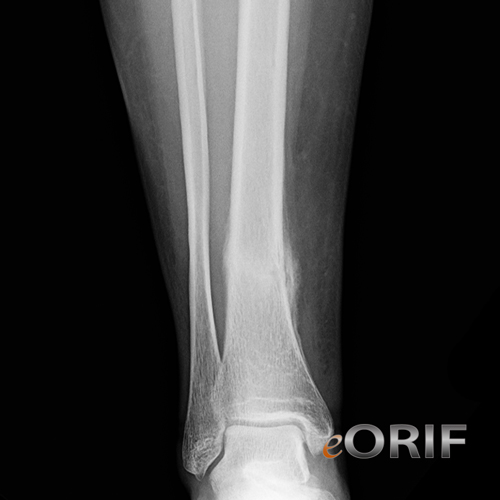
Volleyball players are prone to more extensive injuries than muscle strains or body aches, it is possible for stress fractures to develop over time. Unlike muscle strains, stress fractures are a bit more difficult to detect and take a lot longer to heal. They are likely to happen in volleyball players due to the repetitive jumping motion that puts an excessive load on various joints in the body.1
 
The most common sites for stress fractures in volleyball players are the anterior tibialis, fifth metatarsal, first metatarsal sesamoids, medial malleolus, and tarsal navicular, just to name a few locations.1 As I mentioned before, excessive jumping is the most common mechanism of injury for a stress fracture.1 Muscles are referred to as the shock absorbers during landing but when the muscles become fatigued it puts an even greater load directly on the bone.2 However, a sudden increase or change in the workout load or regimen can create stress reactions within the bone that then lead to stress fractures.1 The most common symptoms pertaining to stress fractures are point tenderness, pain, and swelling over the site of injury.1 Once these types of signs and symptoms surface, a doctor’s visit is usually necessary to rule out any major damage.
The key to healing from a stress fracture is to take the load off of the injured site before the injury turns into a true complete fracture in the bone. Treatment options are normally focused on pain control, limiting weight bearing of the injured leg, and modalities to promote bone healing.1 Time is a great tool to have to help rest and recover before the athlete slowly progresses themselves back into their workout routines.
In conclusion, stress fractures are sometimes unavoidable but if you can catch the signs early enough you can prevent a detrimental injury from further occurring. Stress fractures take time to heal with adequate rest so if your athlete pushes to come back and play too soon, it may cost them greatly in the end.
References:
1. LouisvilleCatholicSports.com. (n.d.). Retrieved October 1, 2015.


Doing the Impossible

http://tinyurl.com/qahwcjl

Neuromuscular diseases (NMD) represent a heterogeneous group of disorders, including motor neuron diseases, disorders of motor nerve roots or peripheral nerves, neuromuscular transmission disorders, and muscle disease.2 The progression of the NMDs varies considerably.2 While there are over 600 neuromuscular disorders, there is no consensus in regards to recommendation for physical therapy, training,or exercise for these disorders.1 The lack of exercise in NMD patients helps to contribute to deconditioning and creates a “vicious cycle” in which physical deconditioning discourages patients from exercising, which in turn worsens overall conditioning.1

Even though exercise is the most natural form of medicine, it is still doubted by many professionals. The human body has a way of healing itself naturally through proper nutrition and exercise, and while this is not a cure for neuromuscular diseases, if done correctly it may provide a positive outcome in quality of life. Exercise may help reverse the effects of muscle weakness, sensory loss, pain, and fatigue resulting in increased cardiac output and improved oxygen delivery.

Targeted exercise of specific muscles may be more effective than overall aerobic conditioning or strength training, as it addresses specific weakness in the various NMDs.1 For example, if gripping is an issue, target specific hand resistance training at least three times a week over a three month period.  Another example is respiratory muscle training, using breathing to expand the diaphragm resulting in improved lung function.

Low impact exercises, such as aquatic therapy and supported ambulation, helps to lessens the weight on joints where pain normally persists.  Other beneficial attributes associated with water physical therapy include, increased range of motion, improved balance and coordination, normalization of muscle tone, protection of joints during exercise, and reduction of stress.3


Patients should never start an exercise regime without consulting with a physician first. Collaboration and teamwork is the key on developing a plan that best fits the needs of the patient. Exercise should  gradually increase both intensity and frequency overtime.

Wednesday, October 7, 2015

Ligament Tears of the Knee

Volleyball players tend to have a lot of jumping and cutting implemented into their sport. Whether it is going up for a block, jumping up for a volley serve, or squatting down low for a dig, knees can be stressed to their limit. As mentioned in my previous blogs the past few weeks, meniscus tears and patellar tendinitis are just a few of the injuries that the knee can sustain; ligament damage can be just as detrimental.
The knee is supported by four ligaments: anterior cruciate ligament (ACL), posterior cruciate ligament (PCL), medial collateral ligament (MCL), and lateral collateral ligament (LCL).2 Each ligament has a specific job in how it supports a particular movement of the knee so when one ligament is damaged, one motion of the knee becomes unstable. Out of all four ligaments the most common one to tear is the ACL.2
Tearing the ACL can happen from either twisting your knee while your foot is planted, hyperextending your knee with another force targeting the outside of the knee, or possibly even stopping too quickly to cut in another direction.2 If the ACL tears there is usually a loud “pop” that is heard or felt, followed by severe pain and swelling.2 A visit to the doctor is necessary to decipher the extent of the tear which will reveal whether surgery is necessary or if general physical therapy can help.2
According to one article, ACL tears make up 14% of volleyball injuries during competition and that athletes are twice as likely to tear their ACL in a game rather than practice.1 The article also stated that 70% of the ACL injuries are from non-contact mechanisms; instead of contact with another player, the ACL is damaged by none other than landing, mechanics, and overall stability of the knee.1
In summary, ACL tears are one of the toughest injuries to return from based on the recovery time (months) and volleyball players are no exception to obtaining this injury. Proper ACL preventative programs allow teams and individuals to help strengthen the muscles around the knee to decrease the likelihood of such a shattering injury.

References:
1. Digging in to prevent ACL injuries in volleyball. (n.d.). Retrieved September 29, 2015.
2. Knee Ligament Injuries: ACL, PCL, and More. (n.d.). Retrieved September 29, 2015.


Meniscus Injuries in Volleyball Players

Due to repetitive jumping in the sport of volleyball it is easy to completely wear down the knee over time. Considering that the knee has multiple bones, ligaments, bursae, muscles and meniscus it is hard to argue the amount of stability that is provided for the knee. Dependent on the body type of the athlete and possible genetic abnormalities, every knee is more or less susceptible for injury.
The menisci of the knee are considered to be “shock absorbers” or cushions between the distal end of the femur and the proximal end of the tibia.1 Menisci are made of cartilage material and they sit between the two bones to provide a smooth, fluid movement as the knee goes through its full range of motion on a daily basis. In each knee there are two menisci, one on the medial side and one on the lateral side.1 Due to improper landing mechanics when jumping or cutting the wrong way while running or stopping, the menisci are vulnerable to damage or tearing.1
The most common way of tearing the meniscus is by twisting or turning the upper leg while the lower leg and foot are still firmly planted on the ground; this allows the femur to get caught on the meniscus to create a partial or full tear while the knee is momentarily “out of alignment.”1 The most common signs and symptoms pertaining to meniscus tears are swelling, clicking, popping, locking of the knee, and severe pain through the range of motion where the femur catches onto the tear.1
In volleyball players this is likely to be seen if a player comes down from a missed block, feet planted on the ground but twists her knee to go chase after the ball. In one study it showed that meniscal tears make up about 15% of indoor volleyball injuries.2 The offensive players in volleyball are more likely to sustain a meniscus injury by the excessive jumping while spiking, blocking, serving, and overall agility that is needed to get back and forth right by the net.
In summary, meniscus injuries are not that easy to deal with but they are manageable. Whether it requires surgery or not, you have to be prepared to deal with the pain that can come at the turn of a dime.
References:
  1. Injury Statistics. (n.d.). Retrieved September 20, 2015.


Monday, October 5, 2015

Hydrating a Runner's Body… Are You Doing It Right?

www.healthrecoverytips.com
Runners and hydration is a pivotal key to becoming a strong and healthy runner. For endurance athletes dehydrations can cause an increase in body temperature, heart rate, perceived exertion, and decrease performance as much as 25%.1 When you first start hydrating your body, your body does not actually retain the water until about 48 hours of drinking water. Hydration isn’t a quick fix it is a constant effort and cannot be ignored.


Keys to hydration: be sure and take in the proper amount of electrolytes versus water do not overload on water this can be very dangerous to your health and can also cause a decrease in performance. It’s important to test new hydration strategies to find exactly what works for you specifically. What I have learned through personal experiences is drinking half my body weight in water and then having roughly 32 ounces of both orange juice and a sports drink of some sort. The orange juice has vitamin C and iron and that can help boost your iron levels and prevent anemia which is common for distance runners. Sports drinks are also important seeing that runners will be losing excessive amount of fluids during exercise it is a good idea to replenish electrolytes and sugars. Advocare rehydrate is my go to drink as it does so well rehydrating and refueling your body and it has substantial all natural sugars.  


Other valuable things to drink to aid hydration and recovery. Chocolate milk is excellent to drink for post workouts with the protein and sugars loaded in each individual glass.3 Beet juice is also great for after tough speed workouts where your body is experiencing more than normal inflammation, beet juice reduces inflammation and speeds of recovery. Hydration is very important as a distance runner it can be compared to keeping oil in your car, without water you will never reach your maximum potential as a runner.


Sources:

  1. Result Filters. (n.d.). Retrieved October 5, 2015,from http://www.ncbi.nlm.nih.gov/pubmed/10198142
  2. The Very Best Beverages for Runners. (2014, July 8). Retrieved October 5, 2015, from http://www.runnersworld.com/hydration-dehydration/the-very-best-beverages-for-runners
  3. 6 Hydration Secrets for Top Performance. (2013, July 15). Retrieved October 5, 2015, from http://www.runnersworld.com/hydration-dehydration/6-hydration-secrets-for-top-performance