Sunday, October 30, 2016

Achieving Proper Alignment & Assignment Execution in College Football

In previous blogs I’ve discussed establishing philosophy in a college football program, how to ascertain required effort from within a college football program and provided suggestions on how to create easy to learn terminology. In this blog I’ll discuss how to address two of the most important aspects of defense; achieving correct pre-snap alignment and executing proper assignments.
Defensive breakdowns, loosely defined as plays where the offense succeeds in moving the football due to an error by the defense, are often attributed to blown assignments.3 A blown assignment occurs when a defensive player fails to cover his assigned area or assigned player on a given play. In many instances the root cause of a blown assignment can be traced back to a failure to line-up properly against the opponent.  So how does a defensive football coach go about getting proper alignment and execution from his unit? This simple, 5-step approach, could help; (1) tell them what you’re going to tell them, (2) teach them, (3) show them, (4) walk-them, and (5) rep-them.
An example diagram that could
be included in a read-ahead3
In step one of the process, the defensive coach provides a read-ahead document, or hand-out, precisely describing the required alignment and associated assignment for a series of defensive calls versus a series of offensive formations. This read-ahead is generally distributed the night before a scheduled meeting and the players are instructed to have read the document prior to the meeting. Steps two and three (teach them and show them) occur in a meeting room. The coach “teaches” his unit proper alignment and assignment using a whiteboard or PowerPoint presentation or a combination of both.  The coach then reinforces what his unit has read and been taught by showing film examples of proper alignment and assignment execution.
Steps four and five (walk-them and rep-them) occur on the practice field a very short time after the meeting described above. Step four occurs during what most teams refer to as prep-practice, the fifteen minutes or so prior to the formal beginning of practice.  In this period the coach executes a walk-thru of exactly what was covered in the meeting room.  He does this by aligning and walking through assignments against a scout team lined up in various formations. The coach signals the calls from the sideline and the defense executes.  Some coaches call this a “line-up straight period.”  This period should be filmed, graded and shared with players.
Elite performance requires mental and physical repetitions.2 This leads us to the final step in the process, “rep them.” This step occurs in a multitude of situations throughout the practice from position specific drills, often referred to as “Indy”, to group drills like an inside-run period or a 7-on-7 passing drill and most often culminates in some form of team scrimmage activity against a scout team. This is the culminating step in the process, and in many regards the final test of the day, where the player applies what he’s learned under game-like conditions. Here again the session(s) are filmed and later graded so that any and all deficiencies can be addressed.

Achieving consistent proper alignment and assignment execution is not an easy task for a college football defense. A coach that follows the above prescribed sequence of events is very likely to see improved alignment and assignment execution almost immediately resulting in fewer defensive breakdowns and improved overall defensive performance.

References:

1Bowen, M. (2014, March 28). NFL 101: The Basics of the 3-4 Front. Retrieved from http://bleacherreport.com/articles/2007958

2Meyer, U. (2015). Above The Line. New York, NY: Penguin Press

3Stephens, D. (2012, December 19). Seahawks' run defense: Gap control & assignment discipline.  Retrieved from http://www.fieldgulls.com/2012/12/19/3783300

Special Teams: Kickoff and Kick Return


“Special Teams is the aspect of the game where the Hidden yardage can have a great effect on the outcome of a football game.”- Joe Marciano. In the game of football, fans come together for the excitement of the offense and defense going head to head. The offense trying to score, and the defense trying to stop the offense from scoring. But before the offense & defense can step on the field, special teams sets the tempo. Special teams once was a time for fans to take a bathroom break, or refill on popcorn before the offense and defense steps on the field. Players like Mel Gray, Brian Mitchell, and Devin Hester changed the way special teams is viewed by football fans and teams preparation against opponents on special teams.  These players revolutionized the way special teams is viewed by their play making ability to put points on the board or give their team’s great field position.
In the 90’s, the Detroit Lions possessed one of the greatest running back of all time; Barry Sanders. Before teams had to worry about stopping Barry Sanders, the opponent’s special teams had to figure out how to contain kick return specialist Mel Gray. Two things teams had to worry about when kicking the ball to Mel Gray; taking the kick all the way for a touchdown or giving up great field position. Mel Gray and his Kick Return unit was something opponent’s special teams was not ready for. It was no longer just kick the ball to the returner, have players run down the field and tackle the return man. Opponents Special Teams had to really analyze and breakdown how kick returns were set up and find ways to stop Mel Gray’s return ability. It was either find a way or kick the ball out of bounds but either way would give up great field position for the offense coming onto the field. Mel Gray accomplished more as a return specialists than most players did at an offensive or defensive position. Special teams has become the game changer in football games. This blog will cover both kickoff and kickoff return schemes that are based off of Joe Marciano kick off coverage and my own kick off return scheme based off of Mel Gray’s returns that were emphasized on speed and zone blocking.              

Special Teams ( Kickoff and Kickoff Return):
Kick Off: Special teams are the quickest way to winning the battle of field positions. Kick Off has to be the most disciplined unit on the field. Players like Mel Gray, the Kick off team has to understand how to stay in their lanes and be discipline to do their job and not be selfish giving up their lane to possibly give the return team good position or giving up a touchdown. On the kick off team, it's important for the kicker to understand ball placement, depending on how the kick off team has set up against the return team. Kicker can't just kick the ball anywhere on the field.

Types of Kick off Coverage:
Deep Middle- Emphasis on distance and hang time
Deep Left- Emphasis on placing the ball between the numbers and the sideline. This will be coordinated with left coverage.
Deep right- Emphasis on placing the ball between the right numbers and the sideline. This will be coordinated with right coverage.

Stance: Faced in toward Kicker 90 degrees.
Take Off: anticipate kickers rhythm
Vision: Cover at top speed; maintain peripheral vision and read the from line blockers for type of return.
Contain: Assigned people for contain must be very disciplined to maintain outside leverage and that nothing and no one gets outside them.
Key to Kick Off: It's important to have good lane distribution during kick off and cross the 50 yard line.

Kick Return: In today's game, most kick return units emphasize on the “ peddle, settle and close man on man blocking” method to set up their return. As a coach myself and growing up watching Mel Gray as a great returner and knowing the concept of Joe Marciano. I had put together my own kick return unit emphasized on speed and zone blocking.

3 types of Return: Middle, Right and Left
Middle ( Exodus ) :

Base Middle KR (Exodus)
LT: will have eyes on L3, dropping back 10 yds at an angle inside of L3. Make contact at inside shoulder pad level of L3. Flip hips and Draw line (keep him outside of you) Maintain contact and leverage with L3 to block out.
LG: Will have eyes on L4, dropping back 10 yds at an angle inside of L4. Make contact at inside shoulder pad level of L4. Flip hips and Draw Line (keep him outside of you) Maintain contact and leverage with L4 to block out
C: Lined up over the ball. Make sure front line is aligned and alert for onside. Will adjust each week of either double teaming with L5/R5/runner. Working back 10 yds.
RG: Will have eyes on R4, dropping back 10 yds at an angle inside of R4. Make contact at inside shoulder pad level of R4. Flip hips and draw line (keep him outside of you) Maintain contact and leverage with R3 to block out.
RT: Will have eyes on R3, dropping back 10 yds at an angle inside of R3. Make contact at inside shoulder pad level of R3. Flip hips and Draw Line (Keep him outside of you) Maintain contact and leverage with R3 to block out.
LE: Will have eyes on L5. Working inside hashes/L5 to make contact at inside shoulder pad level of L5 to kick out.
RE: Will have eyes on r5. Working inside hashes/R5 to make contact at inside shoulder pad level of R5 to kick out.
FB: Working back 8-10 yds in front of KR. Will make sure KR has received & secure the ball. Sets the wedge. Get it going, hard and fast up middle of field leading the KR. Will Pick up MDM in middle of field. DO NOT DOUBLE team on any player that is picked up. (End up picking up Safety/kicker)
LH: Join Wedge. Run course directly with FB. Will have MDM up middle of field/ Peel off to L2, L1 if bend and able to make tackle.
RH: Join Wedge, Run course directly with FB. Will have MDM up middle of field/ Peel off to R2, R1 if bend and able to make tackle.
KR: Following FB up middle of field. Full speed hitting it hard and fast.

Left ( Luke ):
Base Left KR (Luke)
LT: eyes on L4. Will work outside of L4 10 yds back to make contact on outside shoulder pad level. Maintain contact with L4 to block down inside.
LG: eyes on L5. Will work back at angle if necessary outside of L5 10 yds to contact on outside shoulder pad level. Maintain contact with L5 to block down inside.
C: eyes on R5. Lined up over the ball. Work back at angle to stay on inside shoulder of R5 10 yds to contact on inside shoulder pad level. Maintain contact with R5 to block out.
RG: eyes on R4. Working at angle 10 yds inside of R4. Flip hips. Make contact on inside shoulder pad level and draw line (keep him outside of you) Maintain contact and leverage with R4 to block out.
RT:  Will have eyes on R3, dropping back 10 yds at an angle inside of R3. Make contact at inside shoulder pad level of R3. Flip hips and Draw Line (Keep him outside of you) Maintain contact and leverage with R3 to block out.
LE: Will work back to maintain leverage on outside of L3. Make contact on outside shoulder pad level on L3. To block down.
RE: Will work back 10 yards inside hash. Will work Double team to back side MDM with C on R5. Will make sure C has R5 secure blocking out before working backside MDM.
FB: Working back 8-10 yds in front of KR. Will make sure KR has received & secure the ball. Sets the wedge. Get it going, hard and fast up middle of field for 5 yds then leading the KR to left hitting it up the sideline.. Will Pick up MDM in middle of field. DO NOT DOUBLE team on any player that is picked up. (End up picking up Safety/kicker)
LH: Join Wedge. Run course directly with FB. Hitting it hard up left sideline to MDM to L1.
RH: Join Wedge. Run course directly with FB. Hitting it hard up left sideline to MDM to L2.
KR: Following FB working towards left side of field to hit up sideline. Full Speed.

Right ( Romans ):
Base Right KR (Romans)
LT: will have eyes on L3, dropping back 10 yds at an angle inside of L3. Make contact at inside shoulder pad level of L3. Flip hips and Draw line (keep him outside of you) Maintain contact and leverage with L3 to block out.
LG: Will have eyes on L4, dropping back 10 yds at an angle inside of L4. Make contact at inside shoulder pad level of L4. Flip hips and Draw Line (keep him outside of you) Maintain contact and leverage with L4 to block out
C: eyes on L5. Lined up over the ball. Work back at angle to stay on inside shoulder of L5 10 yds to contact on inside shoulder pad level. Maintain contact with L5 to block out.
RG: eyes on R5. Will work back at angle if necessary outside of R5 10 yds to contact on outside shoulder pad level. Maintain contact with R5 to block down inside.
RT: eyes on R4. Will work outside of R4 10 yds back to make contact on outside shoulder pad level. Maintain contact with R4 to block down inside.
LE: Will work back 10 yards inside hash. Will work Double team to back side MDM with C on L5. Will make sure C has L5 secure blocking out before working backside MDM.
RE: Will work back to maintain leverage on outside of R3. Make contact on outside shoulder pad level on R3. To block down.
LH: Join Wedge. Run course directly with FB. Hitting it hard up left sideline to MDM to R2.
FB: Working back 8-10 yds in front of KR. Will make sure KR has received & secure the ball. Sets the wedge. Get it going, hard and fast up middle of field for 5 yds then leading the KR to right hitting it up the sideline.. Will Pick up MDM in middle of field. DO NOT DOUBLE team on any player that is picked up. (End up picking up Safety/kicker)
KR: Following FB working towards right side of field to hit up sideline. Full Speed.


Joe Marciano Tampa Bay Buccaneers
Special Teams Coordinator

Mel Gray
All Pro Return Specialists

Cary Fowler
Head Football Coach

Devon Gray
Assistant coach / Arena football Special teams Coordinator

Ergogenic Aid in VO2 Kinetics

In the world of human fitness, there are bound to be limitations. Limitations of how fast, strong, or tall a person is, but also limitations of the basic physiology of the person. As stated in a previous article, there are various limitations of oxygen consumption in humans during exercise, and there are always individuals looking for ways to overcome those limitations in competitive environments. One of the most common techniques to overcome those limitations is “blood doping”.2

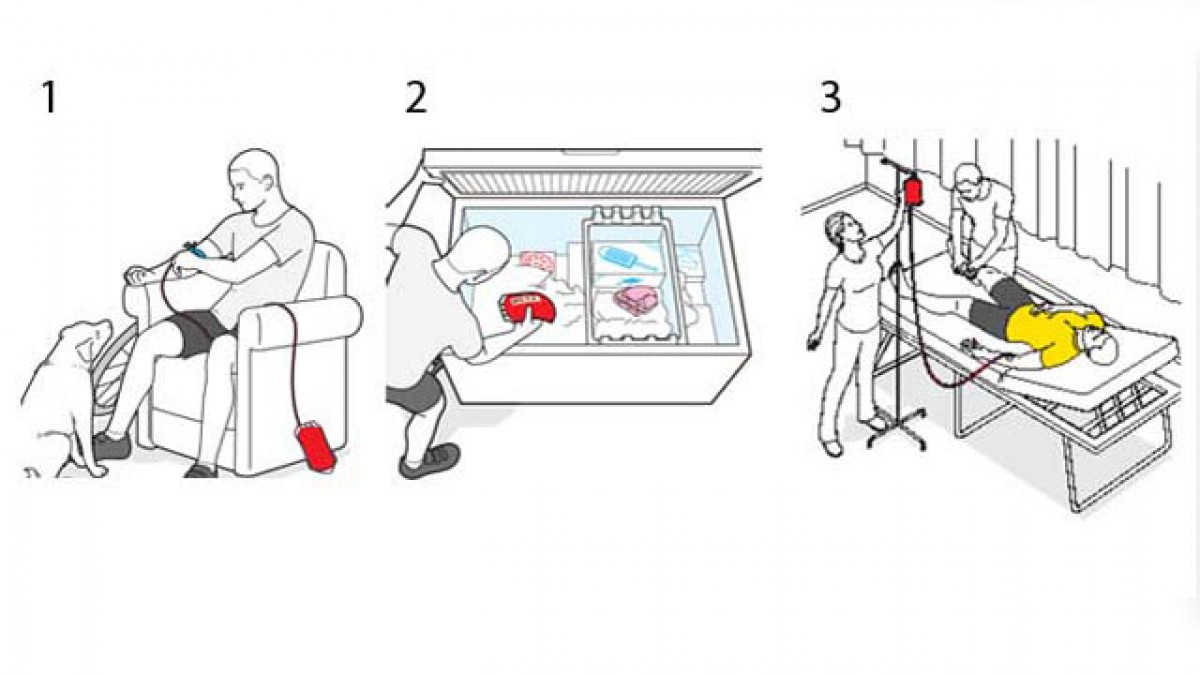
Blood doping is the action of infusing blood, or blood products, to increase a person’s red blood cell volume in order to favorably affect VO2 max. With blood infusion, blood is taken from an individual and kept either refrigerated or frozen until it is time to be used.4 An increase in blood volume alone would increase a person’s VO2 max, but the main goal is to increase the hemoglobin concentration.5 Blood doping has been shown to decrease the heart rate, decrease lactate and increase blood pH values. As discussed in a previous blog, a decrease in blood pH causes hemoglobin to be less likely to bind to oxygen, therefore, releasing that oxygen into the tissues instead of the muscles.1 The effects of altitude and heat stress seem to lessen due to blood doping. In areas of high elevation, which cause hypoxia, the increased levels of hemoglobin allow the athlete to be less affected by the impact. The increase in blood volume allows more blood to flow to the skin to maximize thermoregulation efforts.  

blood doping.jpg
http://www.outsideonline.com/sites/default/files/styles/full-page/public/migrated-images/blood-doping_fe1.jpg?itok=pk6EVxsQ
A study done by Malm et al. 2016, showed an increase in performance of 15% ± 8 and an increase in VO2 max of 17% ± 10 with blood infusion.3 Increasing red blood cell mass causes an increase in the ability to transport oxygen throughout the body. A limitation to blood transfusions is that the effects only last a few weeks, or as continued transfusions are administered. That’s where the use of synthetic erythropoietin comes into play.1

Another method of blood doping is done by infusing the blood with synthetic erythropoietin (EPO). EPO is is a naturally occurring hormone produced in the kidneys that stimulates red blood cell production and has been used in patients undergoing dialysis or chemotherapy to reduce the chance of anemia.5 Naturally, this led to the unethical abuse of this hormone through synthetic use. Synthetic injections of EPO cause an increase in red blood cells which in turn produce a higher hemoglobin density. These injections are more easily accessible than blood transfusions, so the blood doping effects can last longer.1

Limitations to human fitness will always push athletes to find ways around those limits. But with the rewards of increased performance from blood doping, come risks. The increase in extremely high red blood cell levels could result in embolisms and end in blood clots, strokes and myocardial infarctions.5 To keep athletes safe, and to keep playing fields fair, there are bans against blood doping in professional sports.5 Of course, dedication to improving performance lead to finding safer means of ergogenic aids in VO2 kinetics, which will be discussed in a later blog.

References:

1Baechle, T.R. and Earle, R.W. Essential of Strength and Conditioning. National Strength and Conditioning Association. 2008; (3):124-130.
2Lundby, C., Robach, P., and Saltin, B. The evolving science of detection of ‘blood doping’.  British Journal of Pharmacology. 2012; 165(5): 1306-1315.
3Malm, C.B., Khoo, S. N., Granlund, I., Lindstedt, E., and Hult, A. Autologous Doping with Cryopreserved Red Blood Cells – Effects on Physical Performance and Detection by Multivariate Statistics. PLoS One. 2016; 11(6): e0156157.
4Oliveria, C. D., Bairros, A.V., Yonamine, M. Blood Doping: risks to athletes’ health and strategies for detection. Substance use and Misuse. 2014; 49(9): 1168-1181.
5Powers, S.K. and Howley, E. T. Exercise Physiology. Theory and Application to Fitness and Performance. 2015; (9): 71-77,216-239.

Exercise Supplementation

Enhancing Human Performance Through Proper Nutrition and Weight Resistance Training

This blog will discuss proper exercise supplementation when concerned with pre, intra, and post-workout. While proper supplementation in general is the key to enhancing performance, knowing what to consume at what point in the workout is actually the most important factor in determining performance.
The first aspect of training an athlete needs to consider is pre-workout supplementation. Without the proper amount of the right nutrients, an athlete won’t be properly fueled to perform the task. One of the most obvious forms of pre-workout supplementation is carbohydrates due to the increased energy they give the body. “Carbs refuel your muscles by getting stored as glycogen in them.”2 Carbs are essential when the athlete is performing at high intensities because of how they keep the muscles energized. An easy way to supplement carbohydrates is through eating simple sugars such as those that come from fruits about 30 minutes before a workout is to be engaged.
Now while many people feel that consuming water is an adequate thing to do during a workout, consuming an “intra-workout” supplement drink such as an branch-chain amino acid (BCAA) blend has proven to be far more beneficial. “BCAA’s are a blend of three main amino acids: leucine, isoleucine, and valine.”2 BCAA’s are essential in allowing the body to repair muscle tissue that has been torn as a result of weight training or other methods of exercise. By consuming BCAA’s in an intra-workout phase, you allow the body to begin this process at an earlier time, thus resulting in a more efficient recovery.
The final workout supplementation phase that needs to be considered is the post-workout phase that is directly correlated with an athlete’s ability to recover. The king of supplements that needs to be consumed almost exclusively in this phase is protein. Much like BCAA’s, protein’s sole responsibility is to enhance bodily recovery after exercise has been performed. “Protein does this through a process called protein synthesis which is the body breaking down protein into a molecular level to allow cells to absorb it for repair”.1
http://tinyurl.com/jyktwqs

Now while workout supplementation certainly isn’t a necessity to live a healthier lifestyle, it’s definitely a very effective way to enhance one’s performance both in and out of the gym.

 1Clark, M., Lucett, S., & Corn, R. J. (2008). NASM essentials of personal fitness training. Philadelphia: Wolters Kluwer Health/Lippincott Williams & Wilkins.

2Woerner, A. (2016). The Beginner's Guide to Pre and Post Workout Supplements. Retrieved October 11, 2016, from http://dailyburn.com/life/health/best-pre-workout-supplement-ingredients/


Exercise and Depression

Depression can take over a person’s life, however, there is a way to help battle this disorder and that is with exercise. Depression is a mood disorder that affects how one feels, thinks, and can handle daily activities such as sleeping, eating, and working.2 “Between 6 and 25 percent of the population will experience some episode of depression in their lifetime.”1
Signs/ Symptoms of Depression: 2
  •  Persistent sadness or anxiety
  •  Hopelessness
  • Irritability
  • Feeling of guilt, worthlessness
  • Loss of interest
  • Difficulty with sleep
  • Appetite/ weight changes
  • Thoughts of death and suicide
  • The list goes on….
*Symptoms vary with each person, there is not one case that is the same as another.

“Treatment/Therapies”
Doctors can prescribe medication, psychotherapy, or both.2
  •    Medications (i.e. antidepressants) can take 2-4 weeks to being working and have some side effects.6
o   Selective Serotonin Reuptake Inhibitors (SSRI’s)6
§  EX: Celexa, Lexapro, Prozac ($1.66 per mL to $35.48 EA)5
o   Monoamine Oxidase Inhibitors (MAOIs)6
§  EX: Emsam (patch), Marplan, Nardil ($1.78 per pill - $48.35 a patch)5
o   Tricyclic Antidepressants6
§  EX: Norpramin, Tofronil, Pamelor ($0.10 - $8.84 EA)5
o   Atypical Antidepressants6
§  EX: Maprotiline, Trazodone, Nefazodone ($0.05 - $1.64)5
o   Selective Serotonin and Norepinephrine Reuptake Inhibitors (SNRI)6
§  EX: Cymbalta, Pristiq ($6.34 - $9.41 EA)5

  • Psychotherapy, in which one receives counseling to help them discover the root of their problems.
o   Prices vary depending on the doctor/ specialist, the form of communication, age of client (child/adult), and insurance.  
§  From Tarleton Psychology Major Isabella Vasquez, “for an adult with good insurance it’s about $300 for an hour.”

Depression can be helped with exercise, because exercise can be a supportive measure when a person is trying to be well.3 With exercise comes an increase in positivity and a sense of well-being; which is exactly what a person with depression needs.

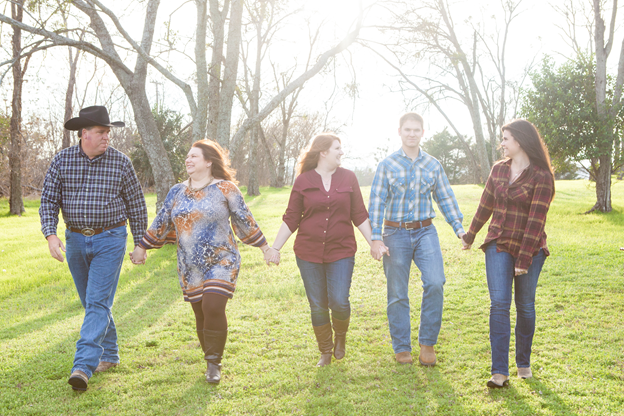
Exercise does work, it will take time, but it is possible. It was possible for Cathy Kraemer (my mom) who suffered with depression and was placed on the prescription Lexapro an SSRI. Lexapro 10MG pill costs about $8.64. Cathy would get 30 pills a month…without insurance she would have paid about $259.20 a month. Realizing she needed and wanted to do something to help her well-being, she sought out a fitness and nutrition coach. My mom started a program that had her lifting heavy weight and walking, which she did about 3 days a week for 6-7 months. Throughout this process she started cutting her pills in half, and not too long ago she took her last half pill. Cathy, is happier, healthier, and now has the confidence to keep moving forward to be well. I am so proud of her!
Cathy with her family this last Christmas

No two depression diagnoses are the same, and the same will be true for exercise regimens. The best thing one can do is get with a program, have a support system, and start moving, because exercise works! It may take some time, but it is worth it in the long run.


References

1Ciccone, C. D. (1990). Pharmacology in Rehabilitation. Philadelphia: F.A. Davis Company.
2Depression. (2016, October 12). Retrieved from National Institute of Mental Health: https://www.nimh.nih.gov/health/topics/depression/index.shtml
3Eddy, L. (1993). Physical Therapy Pharmacology. St. Louis, MO: Mosby-Year Book, Inc.
4Kraemer, C. (2016, October 12). (Heather, Interviewer)
5NADAC as of 2016-10-12. (2016, October 12). Retrieved from Medicaid.gov: https://data.medicaid.gov/Drug-Prices/NADAC-as-of-2016-09-14/nxzv-5ndn
6Services, U. D. (2016, October 12). Depression--Medicines To Help You. Retrieved from FDA: http://www.fda.gov/forconsumers/byaudience/forwomen/ucm118473.htm
7Vasquez, I. (2016, October 13). (H. Kraemer, Interviewer)
8Wolf, A. Photographer. The Kraemer Family. Alex Wolf Photography, West.